
Unit Price Is Only One Part of Procurement Cost
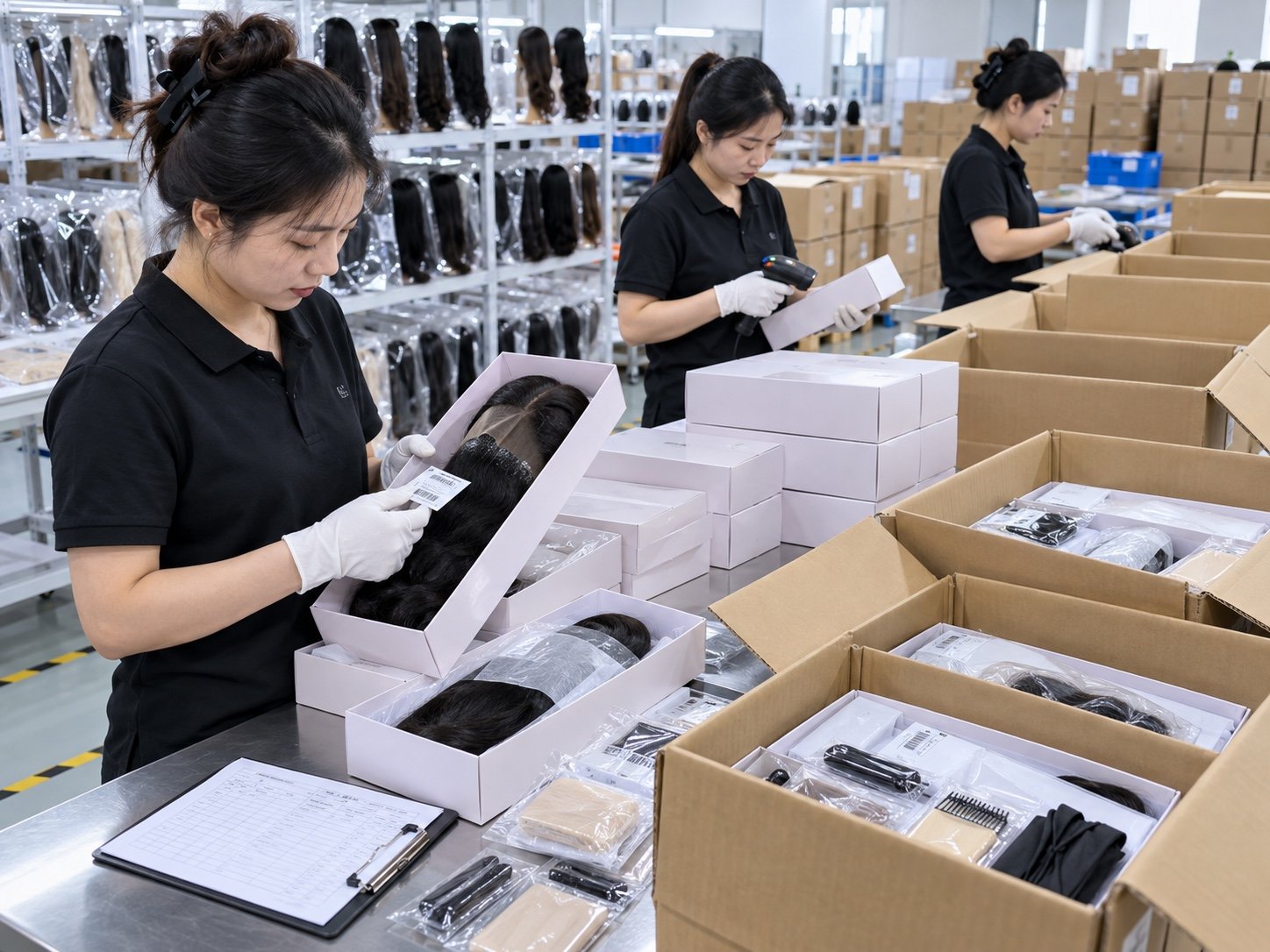
The commercial cost of a wig program continues after the factory quotation. Packaging, freight, insurance, import charges, local handling and inspection can materially affect the landed result.
Buyers should therefore compare projects using a consistent cost model.
Typical Landed Cost Components
- Product unit cost.
- Custom packaging and labels.
- Sample or development cost.
- Export packing.
- Freight.
- Insurance where used.
- Import duties and taxes where applicable.
- Customs or local handling.
- Inspection or third-party services.
- Domestic delivery after arrival.
Volume and Weight Both Matter
Wigs are relatively light but packaging can increase volumetric shipping cost. Retail box design and carton configuration can therefore affect freight efficiency.
Model Different Order Scenarios
Compare trial, launch and repeat-order scenarios rather than assuming the first order has the same landed structure as later orders.
Keep Country-Specific Charges Separate
Import duties, taxes and brokerage depend on destination and classification. Buyers should confirm those items with the relevant logistics or customs professionals rather than relying on a generic supplier estimate.
Discuss Your Sourcing Project
Send Vayora your product brief, target assortment, sourcing requirements and reference samples. We can review the project and prepare the next quotation or sampling step.
Frequently Asked Questions
Is landed cost the same as product price?
No. It includes logistics and other costs required to bring the goods to the buyer.
Why can packaging change freight cost?
Large boxes increase shipment volume even when product weight is low.
Should duties be included in supplier comparisons?
If comparing total procurement economics, yes, but country-specific charges should be verified locally.
Does repeat-order landed cost usually change?
It can, especially if sample and one-time development costs disappear or freight conditions change.