
Samples & Minimum Order Quantities
Plan Samples and Order Quantities Before Bulk Production
MOQ and sample options depend on the product, specifications, color assortment, packaging and level of customization. A clear product brief helps us recommend a practical starting route.
Define the customer, product mix and proposed SKU quantities in your first wholesale wig order plan, then use the sample evaluation checklist to record approval or revisions.
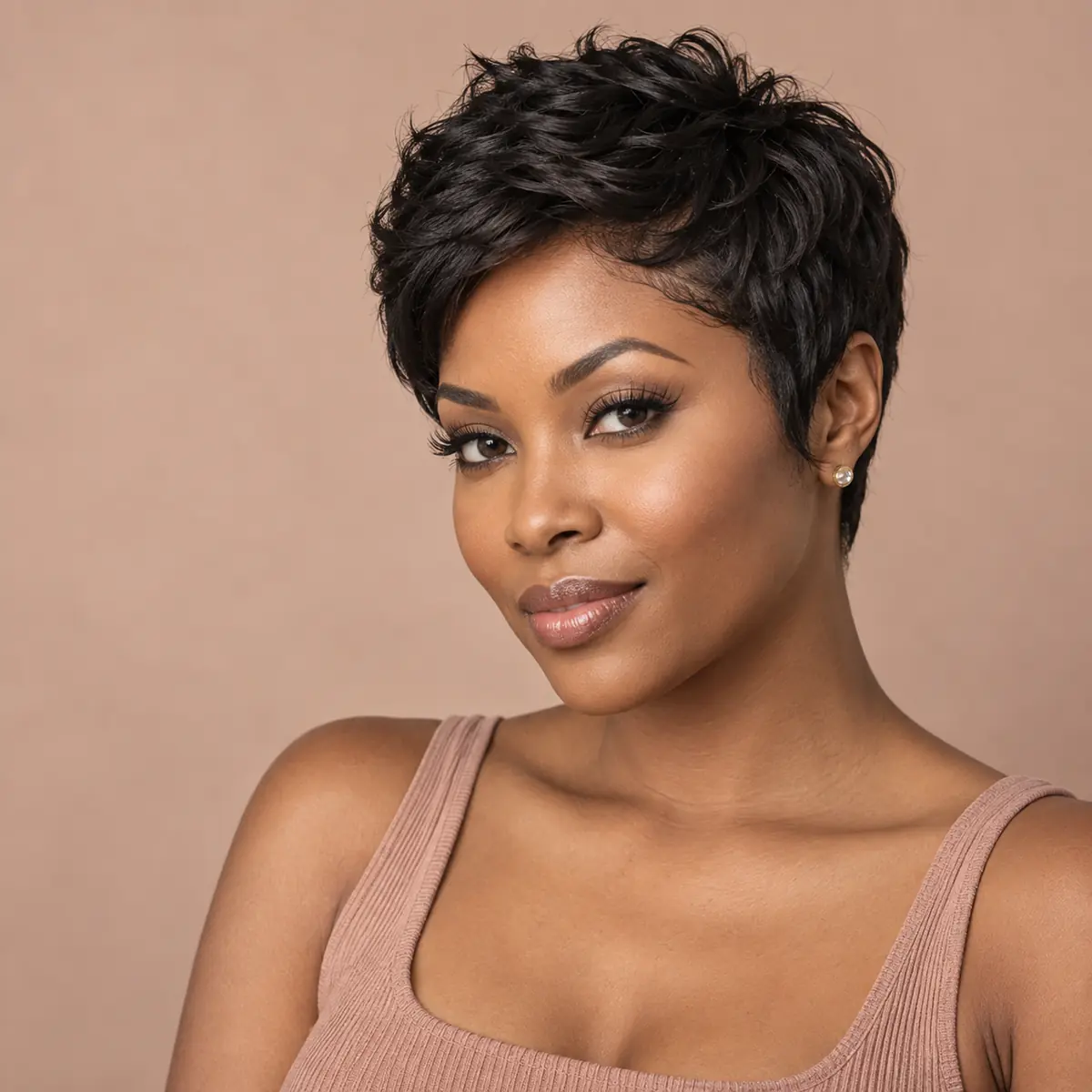
Start With Evaluation
Choose the Sample Route That Matches Your Project
The right route depends on whether you are reviewing an available reference, a defined specification or a complete private label presentation.
MOQ Factors
Minimum Quantities Depend on the Complete Specification
Provide the intended quantity for each construction, length, texture or color—not only the total project quantity.
Product Construction
Glueless wigs, lace wigs, machine-made wigs, extensions, closures and frontals may follow different requirements.
Length, Texture & Color
A focused assortment is easier to plan than many low-quantity variations. Special colors may require different minimums.
Customization Level
Using an available reference usually requires less development than a highly specific product or accessory set.
Packaging Format
Stock packaging with a label, customized printing and fully customized boxes may each follow different minimums.
Sample Evaluation
Match Each Sample to the Decision You Need to Make
Available references show general workmanship. Specification-based samples test the details of your own product brief. Confirm what you need to evaluate before choosing a sample route.
| Sample route | Evaluation purpose | Approval reference |
|---|---|---|
| Available product | Hair feel, texture, cap and workmanship | Record matches and requested changes |
| Specification-based sample | Length, density or weight, lace, color, fit and construction | Approved sample plus written SKU specification |
| Packaging reference | Dimensions, label, material, artwork and pack-out | Approved artwork and packaging specification |
| Pre-production confirmation | Any revision after sample feedback | Written sign-off before bulk production |
Check washing and combing behavior, visible shedding or tangling, color under consistent light, and construction details where relevant. See our quality-control approach and manufacturing process.
Prepare Your Enquiry
Information That Helps Us Review Faster
Choose the Next Sample Decision
- Evaluating a general product direction? Start with a suitable existing reference and list the differences required.
- Testing a defined construction, shade or measurement? Review a specification-based development sample.
- Approving brand presentation? Review packaging references separately and connect the approved artwork to the product SKU.
- Ready for bulk production? Confirm the current product and packaging references and any final revisions before the purchase order.
Test the Details That Belong to the Product
| Product | Sample review priorities |
|---|---|
| Finished wigs | Cap fit, lace area, hairline, parting, length, density appearance, finished weight, color, texture and agreed wash/comb observations. |
| Tape-in extensions | Base dimensions, piece and pack weight, shades, attachment and agreed installation/removal conditions. |
| Tip and ring formats | Tip shape and dimensions, strand weight, hardware compatibility and the intended salon installation method. |
| Wefts | Edge construction, permitted cutting, unfolded width, weight distribution and pack contents. |
Compare the wig collection, extension formats and private-label planning route. Agree acceptance criteria with the quality-control review before treating observations as a pass result.
Connect Sample Approval to the Bulk Purchase Order
Keep product code, sample ID, construction, measurement method, length, physical shade and texture reference, density or weight, packaging version, revision number, approval date and approving contact in one record. Mark each item approve, revise or reject.
The bulk order must reference the accepted sample and specification revision, quantity per SKU, final quotation and approved artwork. Resolve open revisions before production planning, then retain the same references for inspection and repeat orders.
Use the focused first-order planning guide to set a manageable sample scope.
Before Requesting Samples
Do all projects require a custom sample?
No. Some buyers can begin with an available reference sample, while more defined constructions, colors or packaging may need specification-based development.
Why can MOQ change between similar-looking products?
Construction, color, component availability, packaging, customization and the number of low-quantity variations can all affect the commercial minimum.
What should I record when approving a sample?
Record the product code, sample ID, construction, measurements, length, color, texture, density or weight, packaging version, revision number and approval date.
What happens after sample approval?
Confirm the bulk specification, quantity by SKU, final quotation, packaging artwork and required commercial arrangements before production planning begins.
Turn “What Is Your MOQ?” into a First-Order Plan
Share a proposed SKU allocation, including undecided fields, so product and packaging requirements can be reviewed together.
| Your planning field | What to include |
|---|---|
| Product / construction | Wig cap and lace direction, or tape-in / tip / weft system. |
| Length / color / texture | List each intended variant. Mark unconfirmed choices “Not Sure”. |
| Quantity per SKU | An estimate for each variant and the total; not a commitment to an unquoted MOQ. |
| Packaging | Stock or custom packaging, artwork status and quantity by format. Packaging MOQ may differ from product MOQ. |
| Sample decision | Reference evaluation, custom development, revision or approved production reference. |
Plan an extension SKU matrix · Review packaging choices · Send the first-order plan
Golden Reference, Revisions & Re-Sampling
A stock or reference sample supports evaluation; it does not automatically approve your custom SKU. After development, document revisions and keep the approved sample, physical color / texture reference, written specification and artwork version together.
Before bulk confirmation, agree the final SKU allocation, commercial terms and acceptance criteria. Re-sampling may be needed when construction, hair direction, length, weight, color, texture or packaging changes. Review the impact before treating an earlier sample as the current production standard.
For multi-SKU programs, identify which samples approve which variants and which details require separate approval. Read the golden sample guide and repeat-order version control.
Plan the Next Order From the Approved SKU Record
After sample approval, keep the current product specification, packaging version and acceptance record together. Continue with the Repeat Order & Specification Control Hub for post-approval changes and the next production order.
See the manufacturing and private label workflow for the handoff from approved samples to product, packaging, commercial confirmation and repeat-order control.
Use the reorder forecasting guide to plan replenishment around SKU demand and approval time. Forecast quantities are planning inputs; they do not confirm MOQ, capacity or a repeat purchase.
Start With a Clear Brief
Send Your Requirements for Sample and MOQ Review
Include the product type, specifications, quantity per style, packaging direction and delivery country. We will review the enquiry and confirm the available route.
Request a QuotePrepare a written sample review
Record your sample evaluation and physical shade approval before moving to a production decision.
Approve the Complete Glueless Configuration
Use the glueless manufacturing program to select a cap and finishing direction, then review the glueless-specific sample approval checklist before confirming the bulk reference. Keep fit, lace edge, hairline and adjustment components linked to the sample ID.
Vietnamese Hair Sample Planning
For Vietnamese-hair sampling, use the Vietnamese Hair Wholesale Hub and the quality comparison guide. Include origin evidence, processing history, material or finished-product format, and the acceptance checks in the sample brief.