
01
Send Requirements
Share business type, product system, references, destination market, estimated quantities and packaging direction.
Use the sample stage to turn a product idea into an approved specification, then carry that reference into bulk production, quality control, private label packing and shipment planning.
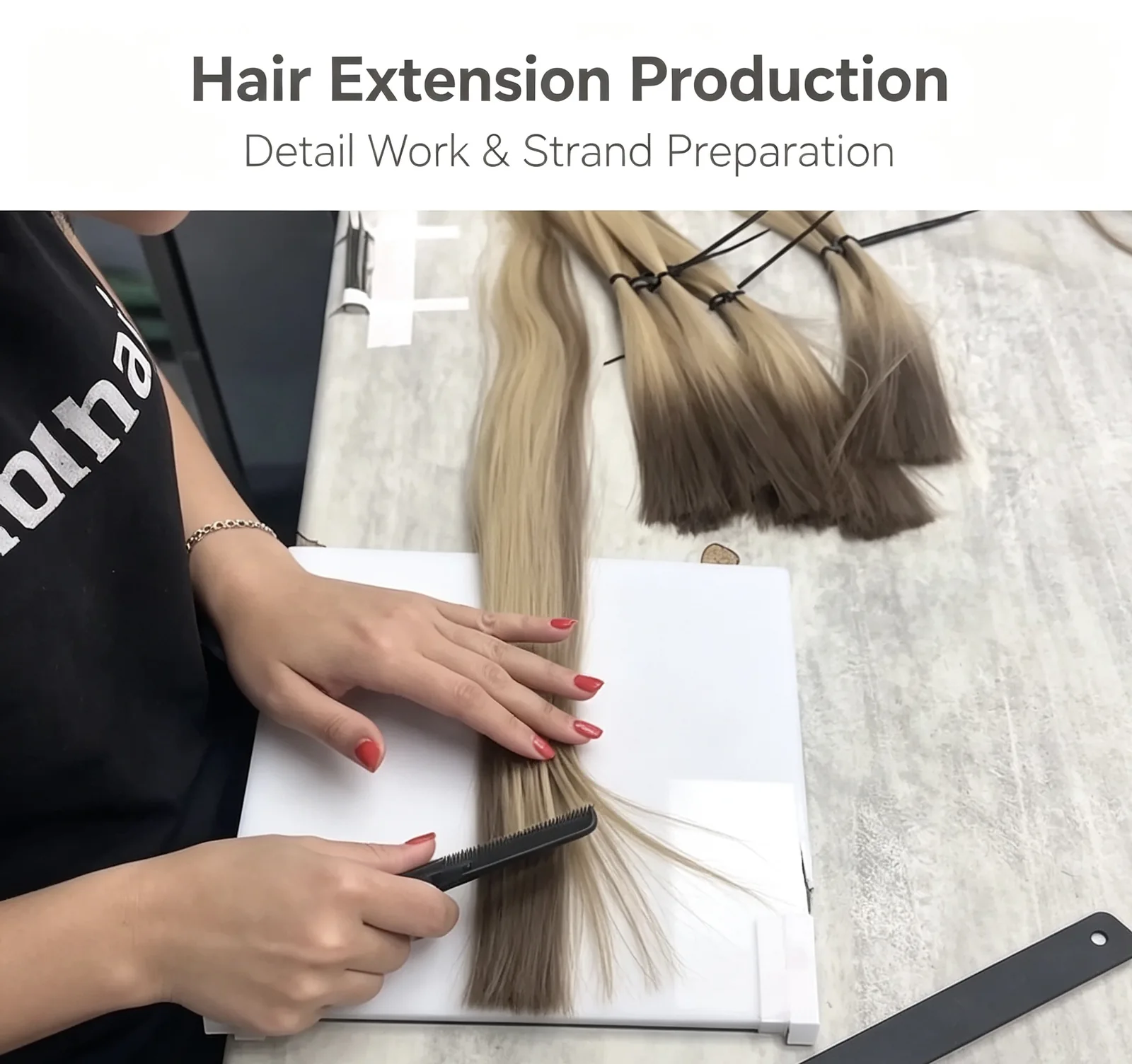
The exact route depends on the product and customization. These stages show how the buyer brief, physical sample and written record should connect—without assuming a fixed MOQ or lead time for every project.
Share business type, product system, references, destination market, estimated quantities and packaging direction.
Define construction, measurements, color, texture, pack configuration and approval method.
Select an available or specification-based sample route after feasibility review.
Check the product against the agreed visual and measurable fields, not only first impressions.
Document accepted changes to construction, size, shade, density, texture, finishing or packaging.
Connect the order to the current specification, approved sample and correct artwork version.
Apply product-specific in-process checks and compare final output with the approved references.
Verify labels, SKU identity, quantities, packaging and agreed shipment details before release.
A sample helps align construction, dimensions, length, weight or count basis, color and texture direction, density or hair distribution, finishing and presentation. It becomes more useful when the accepted details are recorded alongside the physical product.
If the buyer approves an adjustment after receiving the sample, the written change should become part of the bulk reference. This reduces the risk that an earlier version is used for production.
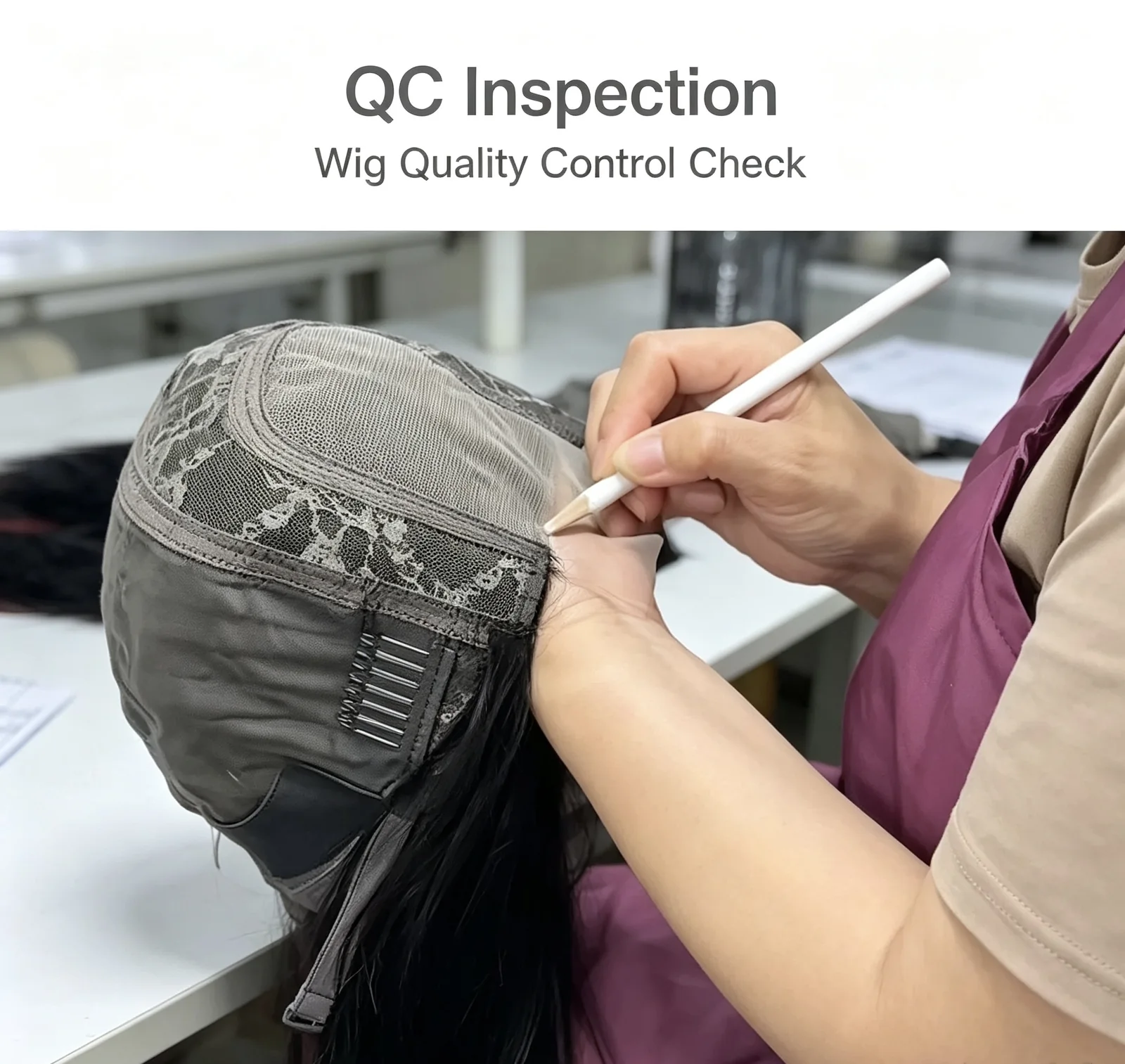
Lace, cap, hairline, attachment, weft seam, tape or tip structure, clips, wire or ponytail base as applicable.
Length condition, weight basis, piece/strand/section count, dimensions and product-specific tolerances.
Shade, texture, density or distribution, ends, parting, shape and styling under agreed viewing conditions.
Fit and adjustable features for wigs, or attachment and installation-related construction for extensions.
Artwork version, label text, placement, SKU identity and any required insert or product information.
Pack configuration, protective materials, presentation and shipping-carton identification.
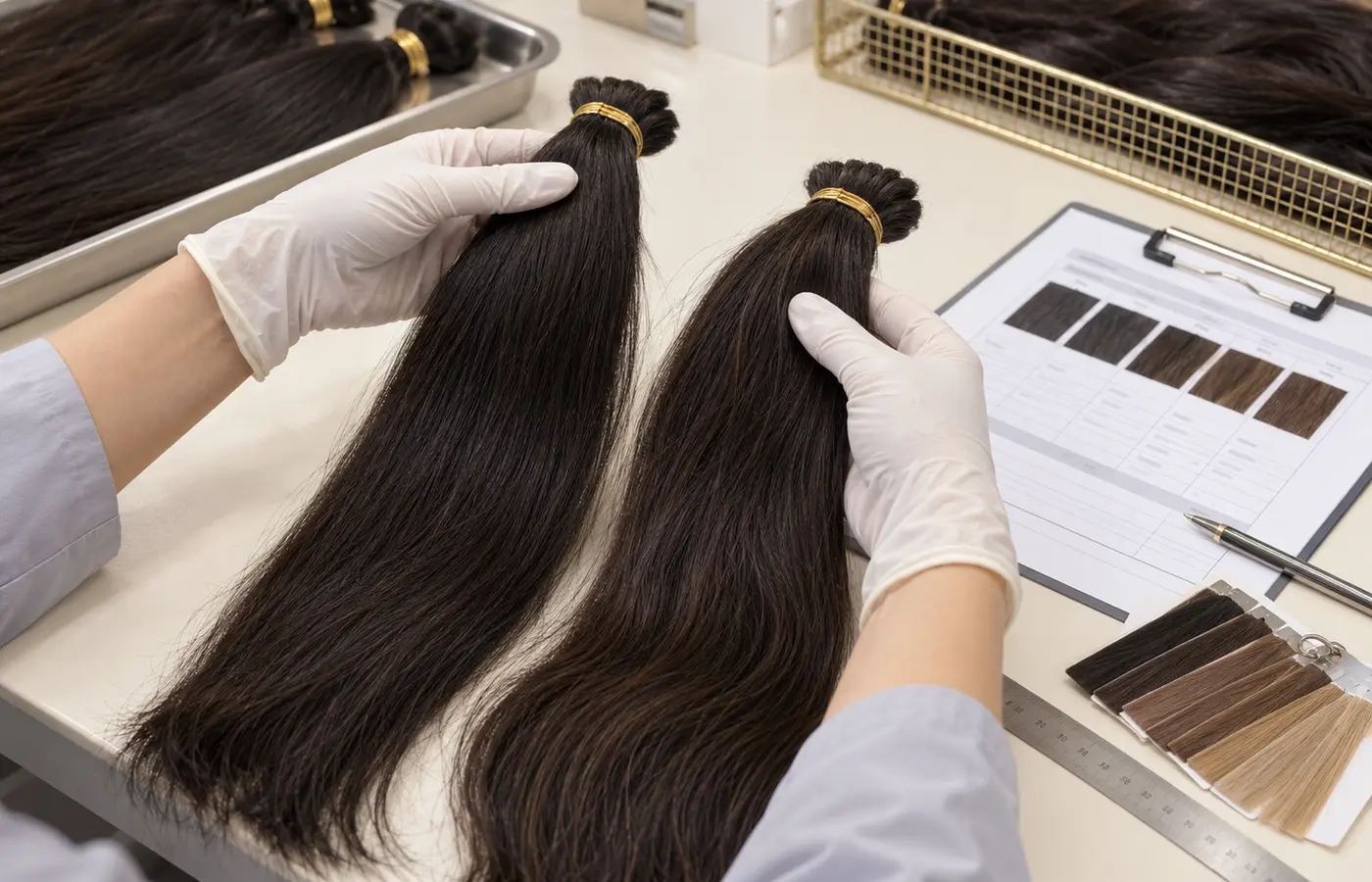
Confirm which sample, written specification, color reference and packaging artwork control the order. Reconfirm quantities, assortment and destination requirements, and keep any approved deviations visible in the project record.
MOQ and timing are reviewed by product, color route, customization and current project requirements. This page does not publish a universal figure.
Define construction, lace, cap, density, length, texture, color and finish.
Define the extension system, attachment or weft construction, measurements, pack and shade plan.
Connect approved product details with labels, bags, boxes, inserts and SKU presentation.
Send the product direction, target specifications, reference images, estimated quantities, destination country and any private label or packaging requirements. Missing details can be clarified during specification review.
Yes, subject to feasibility. Record the requested and accepted changes, then confirm whether a revised sample or documented approval is required before bulk production.
The sample is used together with the current written specification, visual references and approved packaging artwork. The written record identifies which version controls the order.
No. They depend on product construction, shade direction, customization, quantities and current project review. Confirm them in the quotation for the selected product.
Include the product, target specifications, reference files, estimated quantities, packaging needs and destination country. We will review the suitable sample and quotation route.