
WIGS
Wig Construction
Review lace or closure placement, cap structure, parting, hairline direction, density distribution, attachment security, sizing and finished styling against the approved brief.
Quality control starts with an agreed specification and continues through material review, construction checks, sample approval, bulk-production comparison and final packing verification.
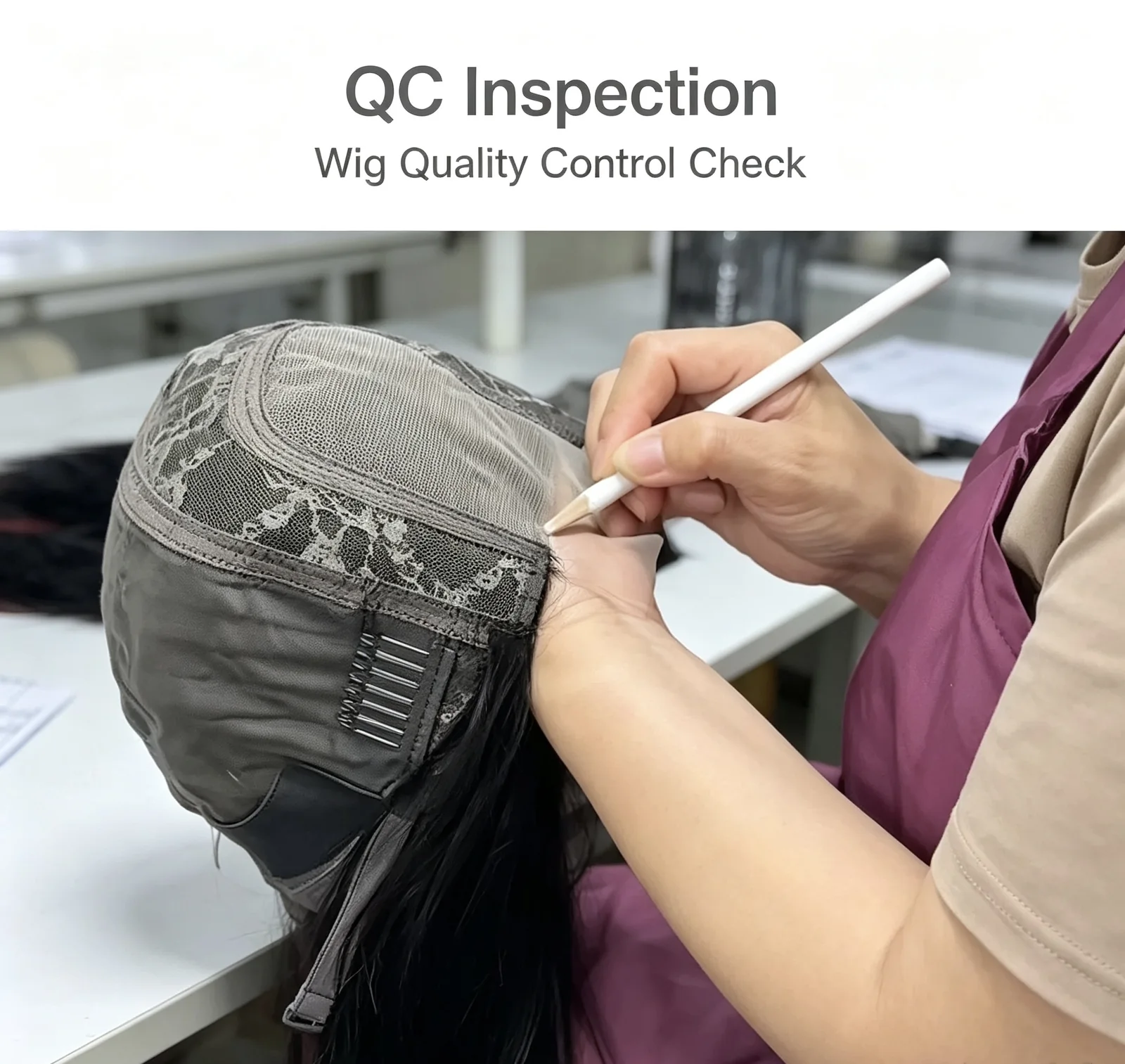
A useful QC plan identifies the product, version, measurement method, visual reference, packaging requirement and acceptable project standard. General claims such as “strict QC” cannot replace a product-specific record.
Product brief and measurable fields.
Hair, lace, cap, attachments and packaging materials.
Construction and processing at relevant stages.
Approved sample, written standard and production output.
Final product, labels, quantities and packing.
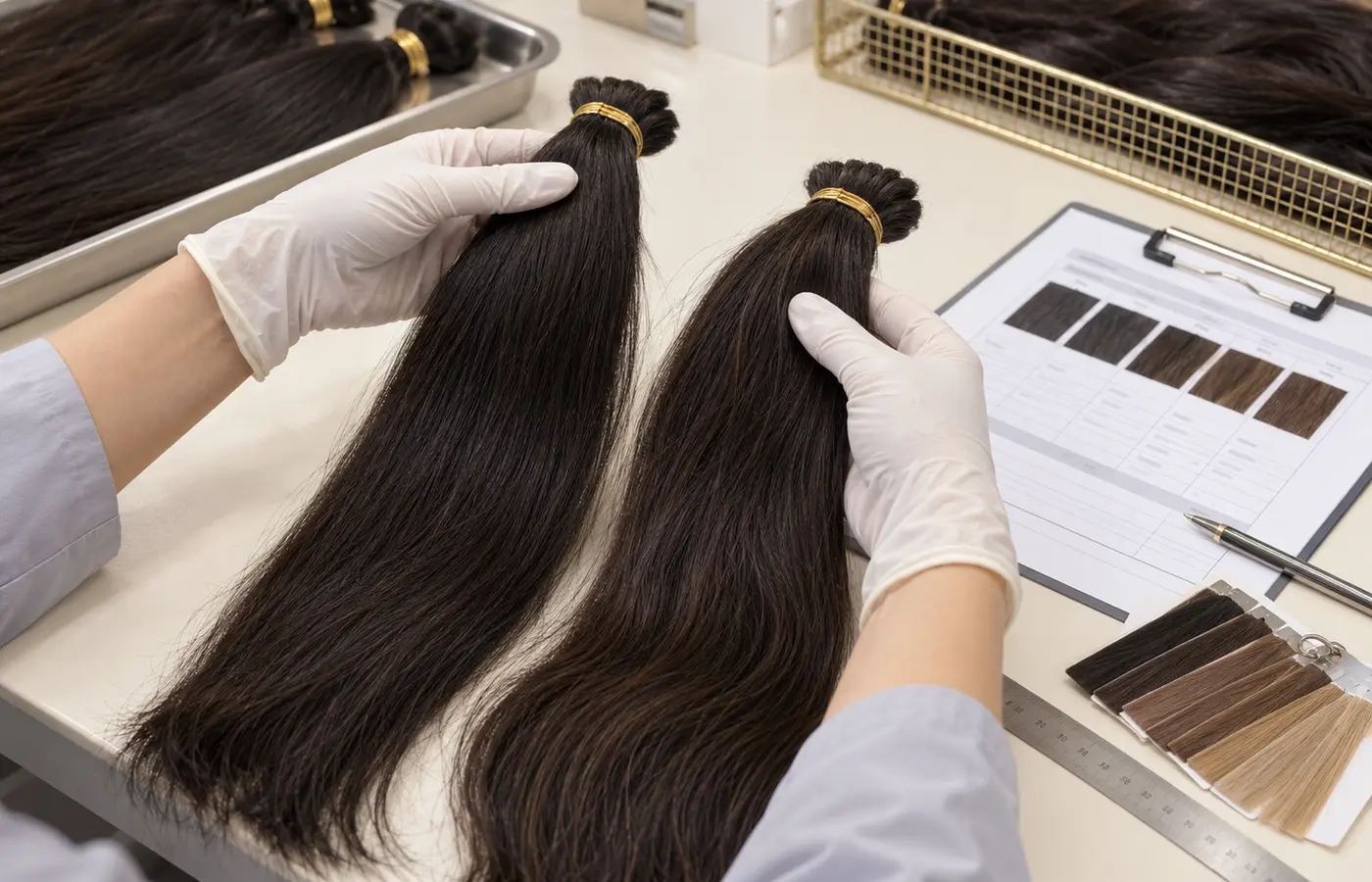
Incoming review can cover hair appearance and end condition, target length direction, color and texture references, lace or cap materials, extension attachments and the packaging components named in the specification.
The relevant checks depend on the product. Results should be connected to the current SKU, sample or order reference instead of treated as a generic pass/fail claim.
Review lace or closure placement, cap structure, parting, hairline direction, density distribution, attachment security, sizing and finished styling against the approved brief.
Review tape or bond shape, weft seam profile, clip/wire/ponytail assembly, hair distribution and the agreed piece, strand, section or pack configuration.
State the measurement condition and unit. Separate product weight from packaging and distinguish strand count, piece count, section count and complete pack quantity.
Lighting, processing, texture and construction can change how a color appears. Use the same agreed reference and review the finished product—not only loose hair—when color consistency matters.
The approved sample should be supported by a written record of construction, measurements, shade and texture direction, labeling and packaging. Any approved adjustment should be documented before bulk confirmation.

Final review connects appearance and construction with order accuracy. It should be based on the confirmed project requirements rather than a universal checklist.
Construction, hair appearance, finishing and accepted reference.
Length, weight, quantity and product-specific dimensions.
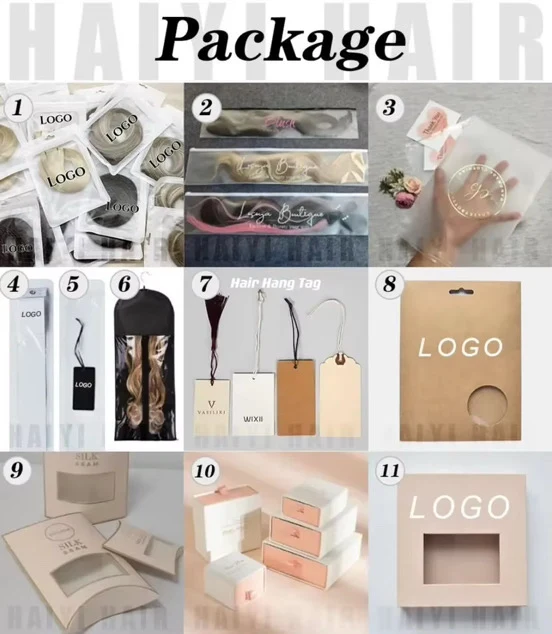
Correct labels, SKU identity, artwork version and requested inserts.
Pack configuration, protective materials, carton identification and order count.
Use the related manufacturing and commercial pages to define the product first, then connect the final order to the correct inspection route.
Key requirements should be confirmed before sampling. The approved sample and documented adjustments then refine the standard used for bulk review.
No. A physical sample is valuable, but measurements, quantities, color references, packaging versions and accepted adjustments should also be recorded.
Review the approved artwork and label version, SKU identity, placement, pack configuration and any inserts against the order record before release.
No. The necessary checkpoints depend on product construction, project risk and the confirmed buyer specification.
Include product construction, target measurements, visual references, estimated quantities, private label requirements and destination country.