
TAPE / PU
Tape-In Extensions
Review tab construction, adhesive direction, hair distribution, piece weight, piece count and the finished pack.
Translate a buyer brief into a controlled extension program through written specifications, material and color review, construction checks, sample approval, bulk-production references and final packing verification.
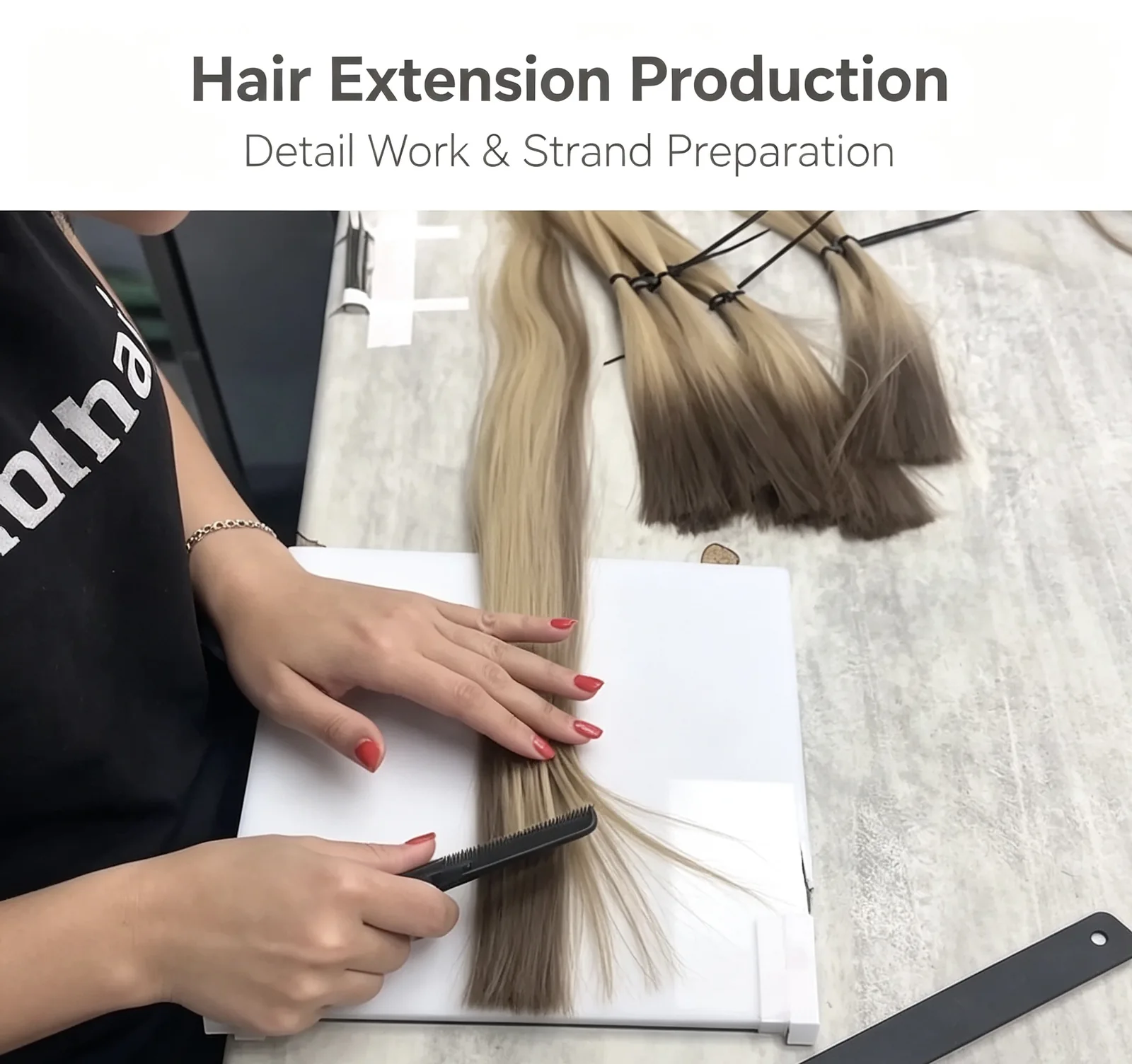
Construction names alone do not define a wholesale product. The project record should connect the extension system with hair length, texture, shade direction, attachment or weft construction, pack configuration, labeling and the approved sample.
Product system, target market, references, quantities and packaging direction.
Prepare hair for the agreed length, texture and color route.
Build the selected tape, tip, weft or temporary-wear system.
Review the physical sample and record accepted details.
Use the approved specification and sample as production references.
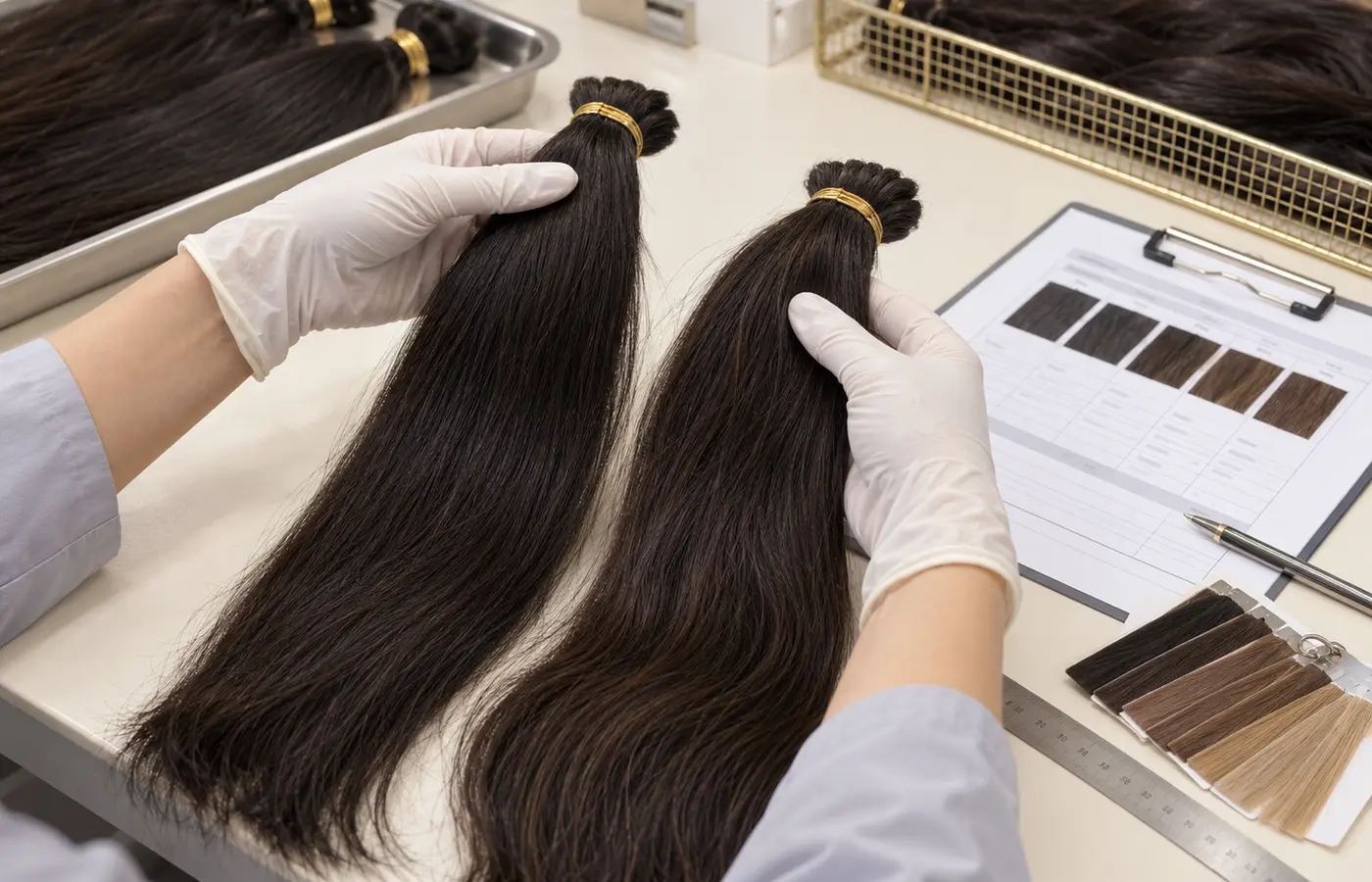
Material preparation starts with the written product brief. Length, texture, shade reference and the intended extension construction should be reviewed together because processing and attachment design affect the finished appearance.
Each extension format has a different construction risk. Buyers should confirm the relevant attachment, weight, count and packing fields before bulk production.
Review tab construction, adhesive direction, hair distribution, piece weight, piece count and the finished pack.
Confirm tip shape, attachment dimensions, strand-weight basis, strand count, shade and packaging.
Check seam profile, total pack weight, unfolded track length, section structure and track finishing.
Align the base weft with clip, wire or ponytail construction, then confirm piece layout, color and pack presentation.
A useful specification records what is being measured: individual piece or strand, complete pack, unfolded track, or section count. Packaging mass and the measurement condition should not be mixed with the product value.
For product-specific verified starting data, use the individual commercial page and confirm the selected construction in the quotation and sample. No fixed MOQ or production lead time is stated here because these depend on the product, color route, customization and project requirements.

The sample is not only a style preview. It is the point at which the buyer and manufacturer align the measurable and visual fields that matter for bulk production.
Record construction, measurements, weight or count basis, shade, texture, labeling and packaging direction.
Connect the bulk order to the current written specification and approved physical or documented reference.
Review incoming materials, in-process construction, final appearance, quantities and packing against the project record.
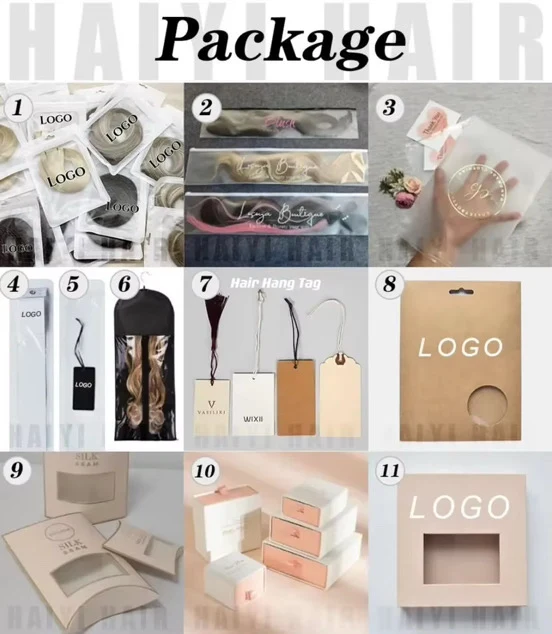
Labels, bags, boxes, inserts and SKU identification should follow the approved extension configuration. Packaging is reviewed with the product and quantity plan rather than treated as a separate visual exercise.
Send the extension system, target length, texture and color direction, expected quantities, destination market, packaging needs and useful product references. Exact requirements are reviewed before a sample or quotation route is confirmed.
No. Tape, tip, weft, clip-in, halo and ponytail products require different construction checks. The shared specification should identify the system-specific control fields.
The approved sample and written specification become the references for construction, measurements, visual appearance and packaging. Any accepted adjustment should be recorded before bulk confirmation.
No fixed project-wide figure is stated on this page. Both depend on the selected product, shade direction, customization, quantities and current production review.
Share the extension system, target measurements, color and texture references, estimated quantities, packaging direction and destination country for project review.