
Wholesale & Private Label
Custom Human Hair Wig Manufacturer for Brands & Wholesale Buyers
Bring a product concept, benchmark wig or approved specification to VAYORA for a custom human hair wig manufacturing project. The OEM/ODM route connects technical development, sample revisions and golden-reference approval to controlled bulk production and repeat orders.
Request a Quote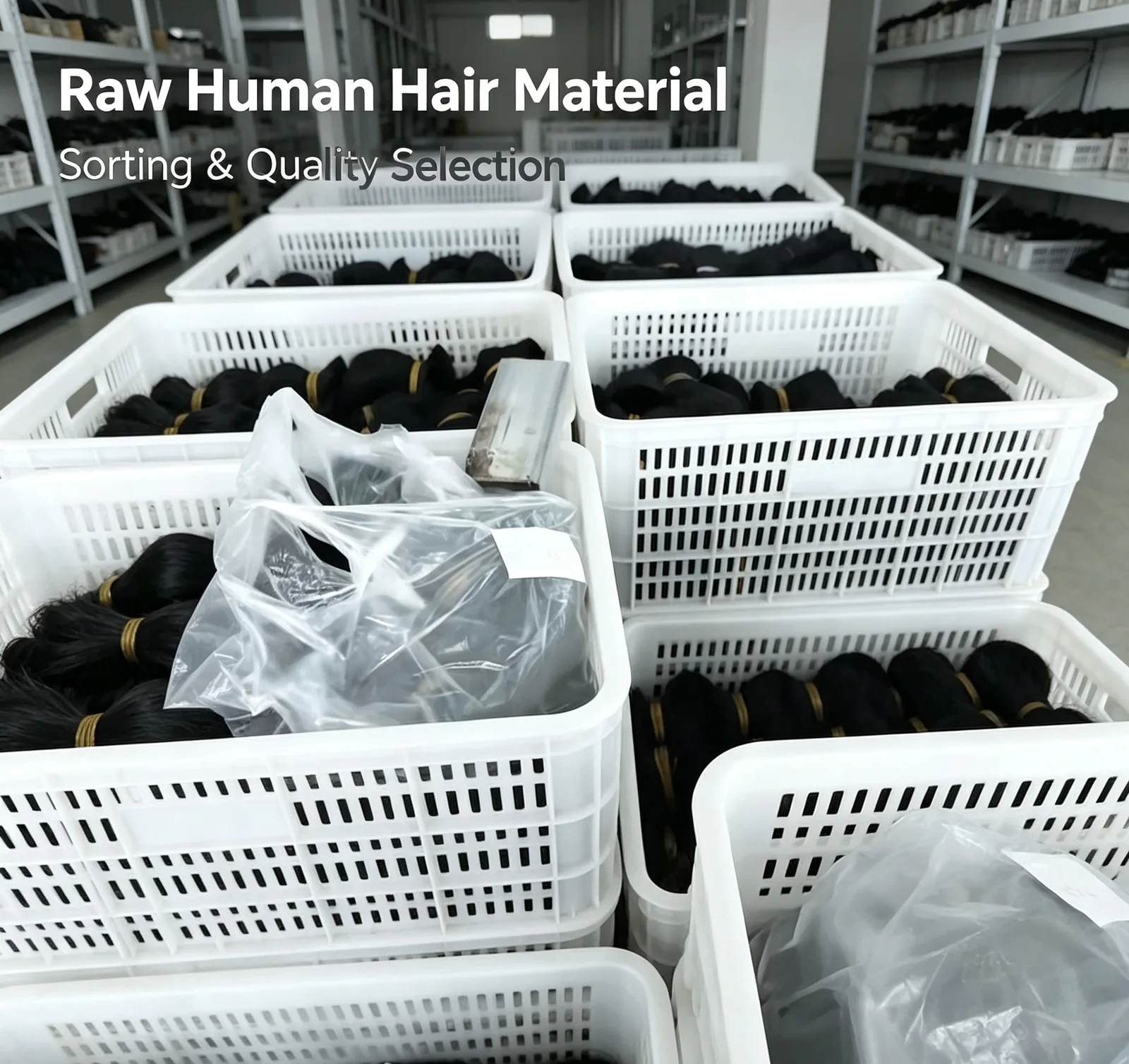
Define the Custom Development Requirements
| Development area | Buyer brief | Approval evidence |
|---|---|---|
| Construction | Cap fit, lace material and area, hairline, parting and attachment components. | Measurements, construction reference and accepted finished sample. |
| Hair specification | Material and processing requirements, length, texture, density appearance and separate finished-weight target. | Written specification and agreed inspection method. |
| Color | Physical shade reference, placement and range by SKU. | Approved color master and viewing conditions. |
| Packaging | Brand presentation, component dimensions, labels and pack identity. | Artwork revision, component proof and product-to-pack map. |
For existing product directions, start with the wholesale wig collection. Use this development route to record the differences required from the selected benchmark.
Review Feasibility Before Committing the SKU Range
Send benchmark images or a physical sample, measurements, desired changes, quantity by variant and packaging artwork. Review compatibility between hair, lace, cap and components, identify sample work, and confirm the written quotation before committing bulk production.
Special cap components, developed packaging or tooling may affect sample work, minimum quantities and timing. Their impact is reviewed by project rather than assumed from a standard category MOQ.
Lock the Golden Sample and Revision Record
Give every sample a dated ID. Record accepted and rejected changes, affected SKUs and specification revisions. Approve the final product and packaging references before bulk production, then retain them for repeat-order comparison.
An OEM/ODM Project Needs Defined Approval Gates
For OEM development, submit the product and brand requirements you want manufactured. For ODM review, share the target market, intended use and benchmark direction so product options can be evaluated. Both routes need a clear approved specification. Private Label Wigs organizes the brand assortment and presentation; Manufacturing Process explains stages. This route owns custom-product feasibility, revisions and approval handoffs.
| Project gate | Buyer input / decision | Reference for the next stage |
|---|---|---|
| Product concept | Target customer, channel, constructions, quality requirements and launch scope. | Brief and initial SKU direction. |
| Benchmark review | Physical product, cap/lace, hairline, parting, hair feel and desired differences. | Comparison record and feasibility questions. |
| Specification | Material/processing, lace area/type, cap fit, length, texture, shade, density/weight and pack. | Current written requirements and agreed measurement methods. |
| Sample development / revision | Review finished product and requested changes; assess affected SKUs. | Dated sample versions and revision decisions. |
| Golden reference | Accept construction, fit, appearance, physical color/texture and finished pack. | Retained samples, SKU sheet and artwork versions. |
| Bulk / in-process QC | Manufacture against accepted material and construction requirements. | Stage checks and deviation approval route. |
| Final QC / packaging | Compare measurements, appearance, workmanship, label identity and pack contents. | Disposition and product-to-pack record before shipment. |
| Repeat order | Compare new brief with retained reference; approve changes before use. | Current specification, sample and artwork versions. |
Custom Wig Development Questions
What makes a project “custom” rather than a standard wholesale order?
A custom project uses buyer-defined product or packaging specifications beyond an available reference. The degree of customization determines feasibility, sample work, MOQ and lead time.
What should I provide for a custom wig development brief?
Provide reference images or samples, construction, measurements, length, texture, color, density or weight, target quantity, packaging needs and the market you plan to sell into.
How many sample revisions are possible?
Revision needs depend on the project. Each revision should be documented so the final approved sample and specification are unambiguous before bulk production.
Can I keep an approved style for repeat orders?
Yes. Use a stable product code, approved sample/reference, specification version and packaging version, and clearly record any intentional change on future orders.
Related Products & Buyer Resources
Prepare the written wig specification, retain the approved sample, and distinguish in-process and final checks before bulk production.
Reference Directions for Custom Development
Project Specification Records & Evidence Stages
The recorded multi-style brief allocates Bone Straight to 12 / 14 / 16 / 18 inches at 40 pieces each, Pixie to 16 / 18 / 20 / 24 inches at 40 each, and Deep Wave to 20 / 22 / 24 / 26 / 28 inches at 40 each. These are project requirements, not stock, MOQ or production-capacity claims.
Read the multi-style quantity matrix and the three-line trial brief.
| Stage | Record to review |
|---|---|
| Specification proof | Confirmed requirements and SKU/quantity table, with client information removed. |
| Sample / construction / colour approval | Project-linked sample, revision and approved-reference records when available. |
| QC / packaging / shipment | Inspection record, artwork approval, packing and shipping records when the corresponding event occurred. |
| Repeat order | A later purchase record and version comparison; not a forecast or intended expansion. |
Explore sourcing briefs and clearly labelled workflow examples →
Connect the custom wig brief with feasibility review, sample approval and the production handoff. Review the B2B project development route when preparing the next project decision.
A development brief centred on a glueless cap, adjustable fit and factory finishing can follow the custom glueless reference-to-production workflow. Keep the broader custom-wig route for other constructions and retain separate cap, hairline, texture, shade and packaging approvals.
For cut-led collections, define the fringe and layer map through the wigs with bangs or layered wig development brief. Select a texture reference separately with Yaki straight or Kinky Curly and Afro Kinky, then approve the cut and construction together.
Request a Custom Wig OEM/ODM Review
Send your concept or benchmark, material and cap/lace requirements, length/texture/shade matrix, fullness and weight direction, estimated quantities and packaging.
Request a QuoteVietnamese Hair Material for Custom Wigs
Develop a Vietnamese-origin wig brief through the Vietnamese Hair Wholesale Hub and Vietnamese wig construction route. Confirm material evidence separately from lace, cap, density, color, sample approval and private-label packaging.
Raw Material Selection & Processing Transparency
Raw Material Options and Processing Disclosure
Wholesale wig specifications should separate hair-origin claims, donor composition, processing steps and finished-product requirements. Depending on the grade and supply lot, Vayora can discuss Burmese-origin and Vietnamese-origin sourcing options, as well as braided-hair collection options. These categories do not describe the same attribute. Factory-reported donor composition and treatments are confirmed for the quoted batch rather than assumed across our entire range.
Natural color and no added dye do not mean a lot is entirely unprocessed. Some supplier-reported grades undergo cleaning and silicone finishing. We can help buyers request documented grade disclosures, agree on length and weight measurement methods, and evaluate matched samples before bulk approval. Origin, treatment history, cuticle condition, usable long-length availability and order lead times are subject to individual verification.
Request sourcing and sample details