
Glueless Wig Quality Inspection for Wholesale Buyers
Compare hair appearance, handling, softness and ends with the selected approved reference. Record processing and agreed observations rather than relying on a grade name.
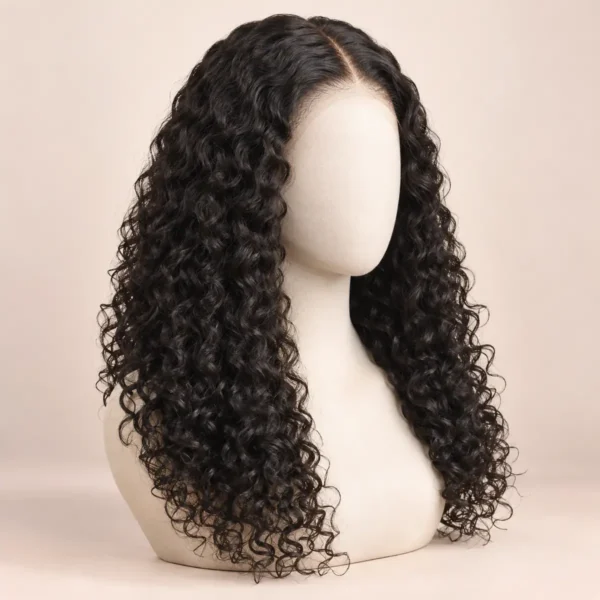
Hair Material
Compare hair appearance, handling, softness and ends with the selected approved reference. Record processing and agreed observations rather than relying on a grade name.
Length
Use the agreed method for the selected texture. Record measurement points and sample identity so bulk comparisons use the same method.
Weight
Weigh the relevant finished configuration and identify what is included. Agree a project-specific range; no mandatory tolerance is stated.
Density
Compare hair distribution, front fullness and overall silhouette independently from measured weight. A percentage alone is insufficient.
Shedding
Agree handling conditions and how observations are recorded. Distinguish an observed sample result from a guaranteed performance claim.
Tangling
Review handling with the agreed care and preparation method. Record location and conditions if concerns appear.
Lace
Check area, tone, condition, placement and cut edge against the approved lace reference. Inspect handling damage separately.
Knots
Review visibility, distribution and hair security on the selected lace and shade. Record any requested finishing separately.
Hairline
Compare front graduation, temples, parting and left/right relationship under consistent views.
Pre-Plucking
Check the agreed graduated zone and fuller areas for excess removal. Baby-hair instructions must be a separate field.
Curl Pattern
Compare texture with the physical master under the same preparation state. Retain front, side and back views.
Color
Use the physical shade master under agreed lighting and record root, body, ends and placement. Screenshots alone are insufficient for final shade approval.
Cap
Review measurements, ear tabs, adjustment access and the complete fitted assembly.
Elastic Band
Check component identity, width, position, attachment and adjustment against the accepted cap reference. Record agreed extension/recovery observations if required.
Stitching
Inspect seams, lace joins and attachment points against the retained inside-cap reference.
Styling
Confirm the delivered parting, curl preparation and silhouette with the accepted finished sample. Record packing-related changes before disposition.
Packaging
Match product code, length, shade and cap variant to labels, barcode, artwork and protection.
Final Inspection
Record inspected sample or batch identity, methods, observations, unresolved issues and release decision. Buyer and supplier agree sampling and acceptance conditions for the actual order.
Golden Sample vs Bulk Comparison
Use both the retained physical sample and written specification. Document any deviation and approved change before release; a production photo does not replace the agreed checks.
Frequently Asked Questions
When should quality inspection happen?
Agree in-process and final checkpoints for the actual project and resolve required deviations before release. Inspection scope and sampling are project decisions.
What variation is acceptable in length and weight?
Buyer and supplier agree measurement methods and acceptance ranges for the selected construction and texture. No mandatory tolerance is prescribed here.
How should density be checked?
Compare distribution and finished silhouette against the physical master and record measured weight separately. Density labels alone cannot determine acceptance.
How can color variation be controlled?
Use a physical shade master, placement record and agreed lighting. Document deviations; screenshots alone cannot approve bulk shade.
What should be compared against the golden sample?
Compare hair, measurements, lace, hairline, texture, shade, cap, adjustment components, sewing, styling and packaging against both the physical reference and current written specification.
Request a QC Specification for Your Wig Program
Send your reference, target market, cap and lace requirements, hair quality priorities, texture, shade, length, density or finished weight, estimated quantities and packaging brief. Use “Not Sure / Please Recommend” for undecided fields. Feasibility, samples and commercial terms are confirmed for the actual project.