Hair Extensions · Wholesale & Private Label

Private Label Hair Extensions Manufacturer

Vayora helps brands develop coordinated hair extension collections across multiple attachment systems, colors, lengths and packaging formats.

Start Your Private Label Project Discuss Samples
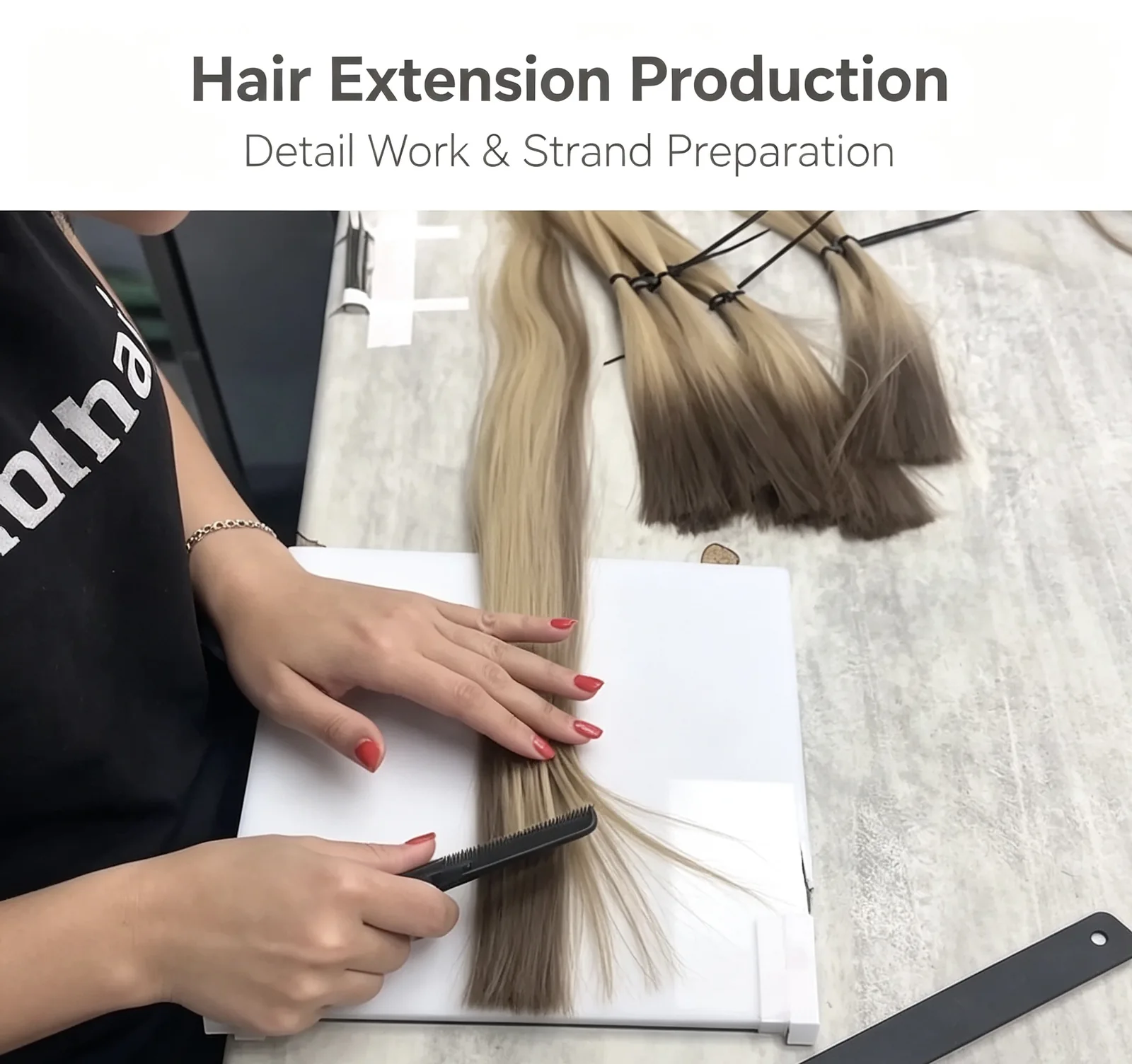
Hair extension strands being combed and prepared on a worktable
Manufacturing and inspection reference.

Build Your Extension Program

Choose your extension systems

Select Tape-In, Genius Weft, Machine Weft, Hand-Tied Weft, I-Tip, U-Tip, Flat-Tip or ring systems around the intended salon or sales channel. Each system needs its own construction approval even when a collection shares branding and shades.

Choose hair grade and texture

Document processing history, texture reference and hair-direction requirements. Review sample performance before confirming the quality positioning.

Choose length, weight and strand count

Build the SKU matrix with nominal length, weight, piece or strand count and checking method. Confirm the actual pack for each product system.

Develop color ring and shade assortment

Develop a focused shade family using a versioned master ring. Approve each shade on the actual extension construction before expanding the range.

Approve packaging, labels, barcodes and inserts

Match cards, pouches, boxes, labels, barcodes and inserts to the SKU matrix. Confirm artwork and packing requirements before bulk release.

Lock a golden sample / approved production standard

Retain golden samples, shade references and written acceptance criteria. Keep approved revisions with the current production specification for repeat orders.

Who This Page Serves

  • New private label brands
  • Established salon brands
  • Distributors and wholesalers
  • E-commerce extension brands
  • Multi-market buyers

Build a SKU Assortment Your Team Can Reorder

A launch range should connect market demand to a production specification. Start with the systems, core shades and lengths your channel needs, then confirm quantities by SKU before adding slow-moving variations.

SKU fieldWhat to recordApproval reference
Extension systemTape-In, Machine, Hand-Tied or Genius Weft; I-Tip, U-Tip, Flat-Tip or the agreed ring formatConstruction sample, attachment dimensions and application requirements
Hair & textureHair grade requirements, processing history, end fullness and texture conditionHair sample and agreed wash or handling review
Length & packingHair length, piece or strand weight, count, weft width and total pack weightWritten measurements and the actual approved pack
Shade codeMaster color code, root depth, blend or transition notesPhysical ring plus samples for each construction
Brand presentationCard, pouch or box; label, barcode and insert versionsArtwork approval and packed golden sample
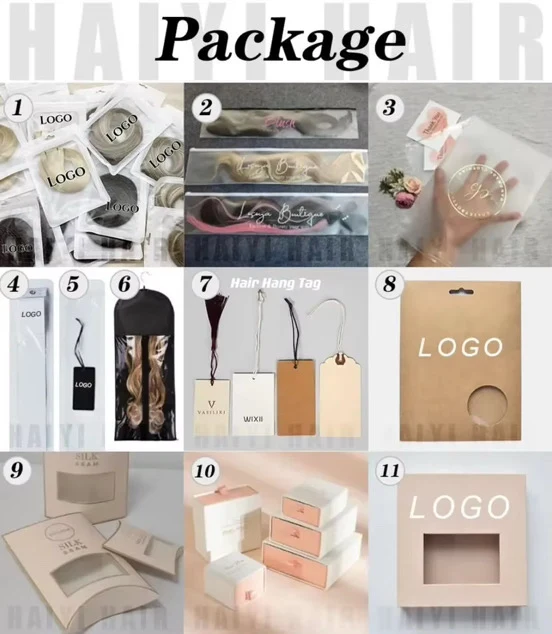
Hair extension private label packaging reference options
Packaging format references. Final branding, materials and artwork are agreed for the selected project.

Packaging That Identifies the Product Clearly

Choose a card, protective pouch, hanging pack or box appropriate to your salon, distributor or e-commerce channel. Confirm protection of the tape, tip or weft alongside the presentation requirements.

Labels should identify the agreed shade, length, weight or strand count and SKU. Buyers supply or approve barcode assignments, legal copy, logos and market-specific requirements. Care and installation inserts should match the selected construction and approved professional guidance.

Approve artwork, placement, materials and packing samples before bulk production. Keep the product and packaging revision together to reduce shade or SKU mix-ups on reorders.

Review custom packaging support →

From First Sample to Repeat-Order Management

  1. Specification review: share your target market, channel, extension systems and starting SKU matrix.
  2. Sample development: compare hair, texture, dimensions, weight and shade with your benchmark; record requested revisions.
  3. Golden sample approval: accept the physical product, color references and finished pack with a dated specification.
  4. Bulk approval standard: agree on measurement methods, QC points and acceptance criteria for attachment, shade, weight and labels.
  5. Repeat-order control: reorder against the retained sample, master ring and current SKU/artwork version. Review proposed changes and deviations before manufacturing.

MOQ, pricing and lead time are confirmed from the selected systems, assortment, quantity and customization requirements.

Review the OEM & ODM manufacturing process →

Frequently Asked Questions

Can one brand launch multiple extension systems together?

A collection can include several extension systems. Confirm the construction, weight, color, length, packaging and approved samples for each SKU instead of relying on one shared reference.

Can Vayora help plan the first SKU assortment?

Share your target market, salon or retail channel, preferred systems and estimated launch quantities. A focused SKU matrix can be reviewed before expanding shades and lengths.

Can colors be standardized across different extension types?

Use a master shade reference with approval samples in each system. Record acceptable variation and keep the approved ring and product references for repeat orders.

Can packaging be customized for each SKU?

Packaging can be planned by SKU, including cards, bags, boxes, labels, barcodes and inserts. Confirm artwork and packing requirements alongside product specifications.

Related Product & Buyer Resources

Start Your Private Label Extension Program

Send the attachment format, hair specification, lengths, colors, weights or strand counts, estimated quantities and packaging brief. Sampling, quotation and timing are confirmed for the approved requirements.

Start Your Private Label Project

Coordinate the extension specification, branding and packaging through one approved project workflow. Review brief-to-production service workflow when preparing the next project decision.

Project Specification Records & Evidence Stages

A three-line brief records a 100 g double machine weft direction with custom packaging and logo requests. A separate Canadian-buyer brief combines Feather Crochet and I-Tip directions with U.S. delivery instructions. These records establish procurement scope; they do not assert approved samples or completed delivery.

Review the category and packaging requirements or the cross-border extension brief.

StageRecord to review
Specification proofConfirmed requirements and SKU/quantity table, with client information removed.
Sample / construction / colour approvalProject-linked sample, revision and approved-reference records when available.
QC / packaging / shipmentInspection record, artwork approval, packing and shipping records when the corresponding event occurred.
Repeat orderA later purchase record and version comparison; not a forecast or intended expansion.

Explore sourcing briefs and clearly labelled workflow examples →

Release Each Private Label SKU With an Approval Packet

Separate requested catalog options from accepted samples. A shared brand name or shade code does not transfer approval between attachment systems or packaging revisions.

Packet fieldRelease record
Construction identityRequested name plus actual construction ID, front/reverse/edge views and compatible attachment instructions.
Shade identityOriginating ring/version and reference code; buyer master and brand code; finished-product sample for each construction.
Selling unitMeasurement method, net hair versus hardware weight, piece/strand/section count and the approved complete pack.
Branding and change controlProduct/sample revision, label and barcode assignment, artwork version, approver/date and written deviation disposition.

Use Clear Approval States

Mark each requested SKU as Requested, Feasibility confirmed, Sample approved or Bulk specification released. Record the evidence and decision behind a state change. A catalog image or quote alone does not mean the sample or bulk standard is approved.

Can one master shade code release every extension SKU?

No. Use the master to guide comparison, then approve the actual construction, hair condition, placement and finished pack for each SKU. Retain any accepted deviations.

Build the packet with the 36-code reference register, SKU planning guide and pack configuration record. Provide requested options and quantities for project review; commercial terms remain subject to confirmation.

Request a Quote
Scroll to Top