
For hair extension brands, salons, distributors and private label buyers: sleeping-comfort questions are also specification and installation questions. Review the attachment as worn, not only the hair length, colour or product name.
Why Attachments Can Feel Different Against a Pillow
A track edge, ring, tape panel or installed bond changes the local contact surface. When the head rests on a pillow, a raised or rigid part may become more noticeable. Turning can also move the attached lengths and transfer pulling to the supporting natural hair. These are practical engineering hypotheses to investigate on the selected system, not measured clinical outcomes.
- Contact profile: seam height, stacked tracks, closed rings, tape corners and final bond shape.
- Load and support: the attached length and weight relative to the natural-hair section and placement.
- Installation: row layout, direction, spacing, thread tension, ring closure and trapped or crossed hairs.
- Wear conditions: sleeping position, growth since fitting, tangles and any bedtime arrangement that adds pulling.
- Individual response: scalp symptoms or irritation are not explained by seam thickness alone.
Keep product review and fitting review separate. A seam can meet the written specification while a particular installation still needs adjustment. A comfortable initial fit also does not prove long-term safety.
Scalp Traction: What Reliable Dermatology Guidance Supports
The American Academy of Dermatology (AAD) explains that repeated pulling can cause traction alopecia and that continuing stress can lead to lasting hair loss. Warning signs include scalp pain, stinging, crusting, visible pulling of the skin, broken hairs or a receding hairline.
Its weave and extension guidance recommends professional fitting and prompt loosening when the style hurts or feels too tight. A wearer with concerning symptoms or hair loss should seek appropriate dermatology assessment. Do not continue a buyer trial through pain or try to conceal the problem with a softer pillow.
These sources support traction precautions; they do not provide a sleeping-comfort ranking for Tape-in, Genius Weft, Nano Ring or other commercial systems. This article is a procurement review guide, not an individual diagnosis or a clinical validation of VAYORA products.
Attachment Comparison: Review the Actual Configuration
The descriptions below are common construction categories. Names do not establish universal dimensions, installation compatibility or availability. Confirm the chosen sample and written method with the supplier and a qualified installer.
| System | Construction / method | What to investigate | Request from the supplier |
|---|---|---|---|
| Tape-in | Adhesive-backed panels, commonly used as a paired sandwich or an approved single-sided configuration. | Installed panel profile, corners, overlapping tabs, movement and placement; adhesive contact or irritation needs separate review. | Base dimensions, flexibility, compatible tape and removal instructions. |
| Genius Weft | A product construction name associated with a fine-edge weft; confirm the actual seam on the sample. | Weft seam plus the chosen bead/stitch row and any stacked tracks. Thin seam alone does not remove hardware contact or traction. | Uninstalled seam dimensions and complete installed row profile. |
| Hand-tied Weft | Hair attached in tied sections; installation may use an approved sew-in or beaded-row method. | Tied edge, thread, supporting row and stacking; review section tension rather than assuming a comfortable result from the name. | Section construction, permitted cutting, end treatment and attachment plan. |
| Machine Weft | A stitched track; the number and layout of tracks depend on the actual product. | Folded/stacked track bulk, seam stiffness and supporting row configuration. | Track dimensions, flexibility, loading and attachment instructions. |
| Nano Ring | A small-ring attachment family; the actual tip, ring and lining require confirmation. | Local hardware profile and direction, section loading and placement against the pillow. | Ring/tip compatibility, internal and closed dimensions and installer guidance. |
| Micro Ring | A mechanically closed ring/bead used in a specified strand or row attachment configuration. | Closed ring contact, hardware count and positioning; hair caught across sections can add pulling. | Actual hardware, lining, tools and supporting-hair requirements. |
| I-Tip | An individual strand with an I-shaped tip, commonly paired with a compatible ring. | Combined tip/ring profile, section support and strand movement. | Tip and ring compatibility, strand weight basis and placement plan. |
| U-Tip | A pre-formed U-shaped bond tip, typically used in a specified fusion method. | Final installed bond shape, rigidity, edges and direction; raw tip shape is only a starting reference. | Bond composition disclosure, application method and professional removal instructions. |
| Flat-Tip | A flattened pre-formed tip; confirm whether the selected product is for fusion or another specified method. | Actual installed bond profile, bend direction and loading. | Written intended method and the final bond or hardware configuration. |
For the commercial range, review VAYORA Hair Extensions. Use the method comparison guide for broader assortment planning; this article focuses on positional contact and the evidence needed before comfort-related claims.
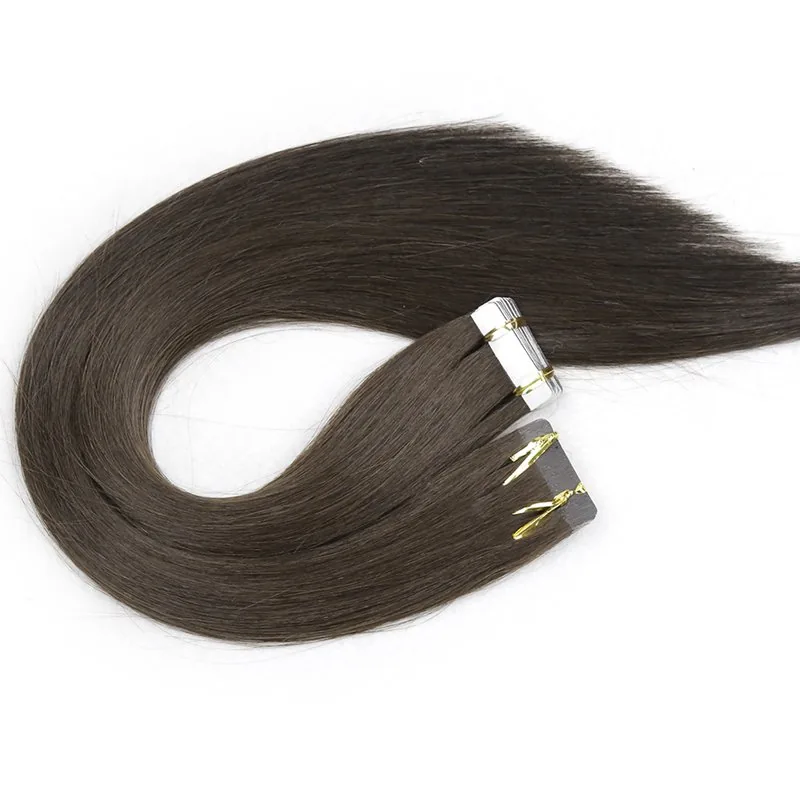
Genius Weft Seam Thickness Is Not Micro-Ring Installation Pressure
Measure the Product Edge Before Installation
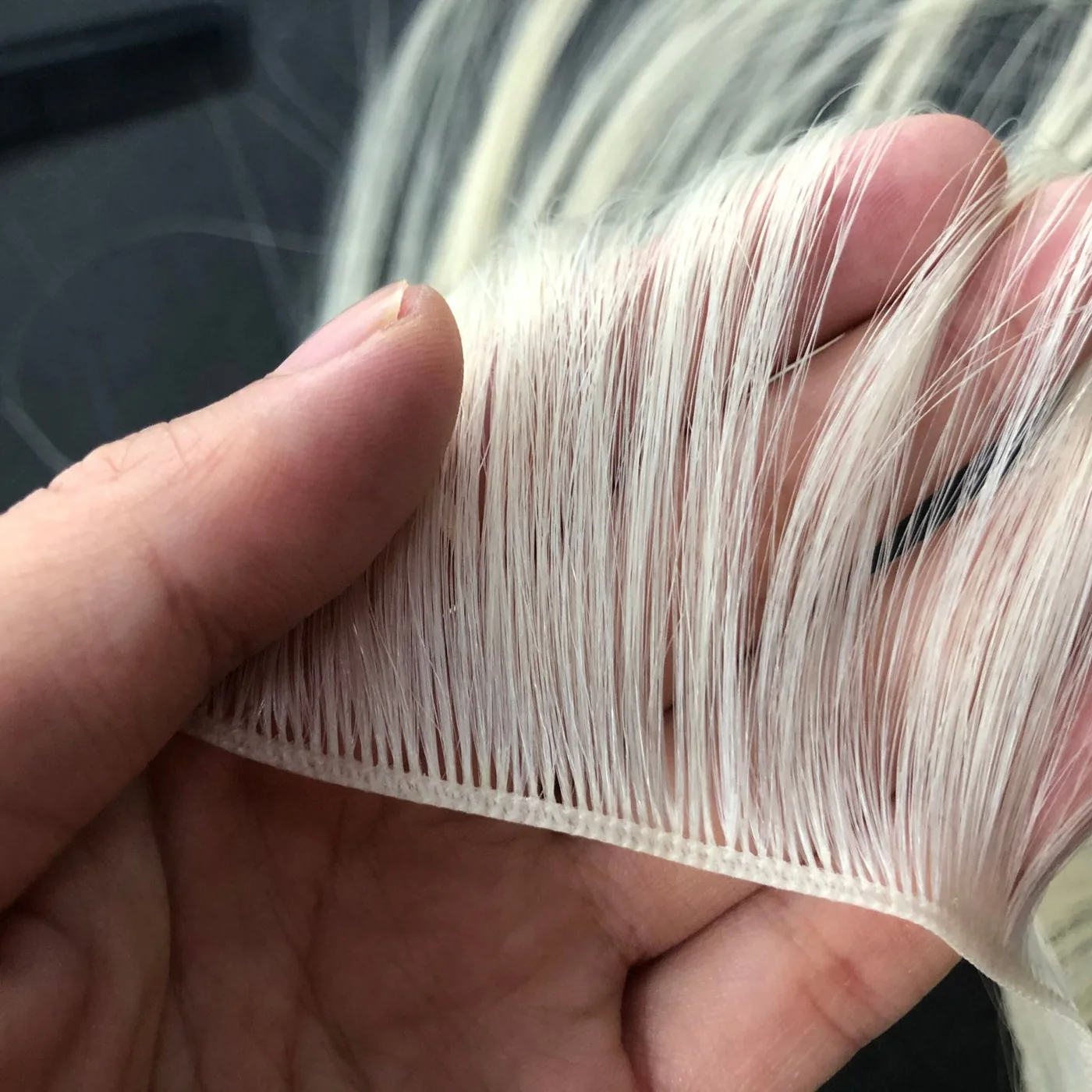
A Genius Weft seam is part of the product. Define which edge dimensions are being recorded, the orientation of the sample, whether it is relaxed or compressed, and the instrument/contact conditions. An uninstalled seam photograph without a scale cannot establish a thickness value. A fine-looking edge does not justify “painless,” “pressure-free” or “best for sleeping” claims.
Review the Complete Installed Row
If the selected weft is attached to a beaded row, the beads and thread form additional contact points. Their closed shape, orientation, location, supporting sections, stacking and row tension influence the complete installed configuration. Micro rings are attachment hardware; Genius Weft describes the weft construction. Comparing them as if they were alternative seam types mixes two different variables.
An I-Tip strand fixed with a ring is also different from a ring-supported weft row. Do not transfer an I-Tip hardware approval to a weft installation without confirming compatibility and method. Review attachment dimension control and the Genius Weft quality guide when writing the sample specification.
Control Both Variables in a Buyer Comparison
To compare seam designs, keep hardware, installation method, length, loading and placement as similar as practicable, or document their differences. To compare hardware configurations, hold the chosen weft reference constant where feasible. Record observations and limitations; neither exercise establishes a universal comfort score.
B2B Buyer Testing Checklist
Agree the review plan and acceptance criteria before comparing samples. Start with product inspection and a professional fitting assessment. Any wear review should be voluntary and appropriate for the participant; stop when discomfort occurs. Do not deliberately increase tension, force prolonged pillow contact or ask a person to sleep through pain to obtain a result.
Use the following as a blank record framework. It contains no VAYORA test results or pass thresholds.
| Check | Review action | Evidence to retain | Observation / decision |
|---|---|---|---|
| Identity | Record SKU, sample ID, lot, revision, construction and intended attachment. | Sample record + dated front/back/edge photos | Not yet reviewed |
| Seam / base | Measure height, thickness and width in a defined orientation; record instrument and contact conditions. | Method, instrument, measurement locations and readings | Not yet reviewed |
| Hardware / bonds | Record ring/tip dimensions, lining, closed profile, bond shape and compatibility. | Matched component list; installed close-up | Not yet reviewed |
| Weight basis | Separate net hair, tips/hardware and packaging; record strand/track/pack count. | Weight definition, length, count and scale record | Not yet reviewed |
| Distribution | Review hair loading along the track or within each strand and the proposed number of rows. | Distribution observations and installer plan | Not yet reviewed |
| Suitability | Have a qualified professional assess intended wearer suitability and supporting natural hair. | Consultation outcome; do not record unnecessary personal health data | Not yet reviewed |
| Installation | Record installer, tools, supporting sections, placement, hardware count, stacking and removal method. | Repeatable installation record | Not yet reviewed |
| Awake positional check | Only after a comfortable fit, check ordinary sitting and gentle resting positions under professional guidance. | Location and description of contact/pulling; stop with discomfort | Not yet reviewed |
| Follow-up observations | If an appropriate wearer chooses normal wear, record timing, position and any sleep interruption without asking them to tolerate pain. | Voluntary observations; complaints and any professional adjustments | Not yet reviewed |
| Safety escalation | Pain, irritation or concerning scalp/hair changes stop the review and require appropriate professional assessment. | Stop action and follow-up; never mark a painful trial as passed | Not yet reviewed |
| Removal / condition | Use the product-specific professional process; review attachment and supporting hair condition. | Removal record and observations, without diagnosing hair loss | Not yet reviewed |
| Controlled comparison | Keep relevant conditions comparable or document differences: length, loading, installer, placement and hardware. | Comparison limitations; no unsupported comfort ranking | Not yet reviewed |
| Approval / change control | Agree criteria before evaluation; record approve/revise/hold and retain the selected reference. | Signed/versioned specification and open issues | Not yet reviewed |
| Bulk / repeat | Compare seam, hardware, weights and packing with the approved revision; review proposed substitutions. | Inspection record and written change approval | Not yet reviewed |
Connect the record to the extension sample inspection guide and Golden Sample approval process. An agreed procurement criterion is not a medical safety threshold.
Supplier Qualification Questions
- What is the exact construction and intended attachment method for this SKU? Which names are only marketing descriptions?
- Can you provide front, reverse and edge photos of the actual sample, plus the revision and component list?
- How do you measure seam height/thickness, tape base or tip dimensions? What instrument and contact conditions are used?
- Which rings, lining, tools, thread, tape or bond application system are compatible? Can substitutes change the installed profile?
- Does the quoted weight mean net hair, finished pieces including hardware, or a complete pack? What count and length are associated with it?
- What professional fitting, maintenance and removal instructions accompany the selected product?
- What suitability limitations and escalation instructions should a salon communicate to the wearer?
- If you claim improved sleeping comfort, what product revision, installed configuration, participants and observation method support it? What limitations remain?
- How are complaints separated into product, installation, wearer suitability and aftercare causes?
- How will approved seam, hardware and packing specifications be controlled for bulk and repeat orders?
Use the supplier comparison guide to organise evidence. For feedback after salon use, follow the salon complaint review process; record facts before assigning a cause.
How Brands Should Describe Sleeping Comfort
Describe verified design features precisely: a measured seam profile under stated conditions, a named compatible attachment, or a recorded packaging and fitting instruction. Keep wearer observations separate from product specifications. A small supervised review can inform sample selection, but cannot substantiate a clinical claim or guarantee every wearer will be comfortable.
Brief your salon partners to assess suitability, fit the specified system, respond to discomfort and maintain a clear complaint route. Do not promise that every attachment becomes comfortable after a fixed number of nights. Do not publish an unsupported “most comfortable” league table.
Buyer FAQ
Do hair extensions hurt when sleeping?
Some wearers notice attachment contact or pulling when lying down, but pain should not be accepted as a normal requirement. Have the installation assessed promptly by a qualified stylist; scalp symptoms or hair loss also warrant dermatology advice.
Does a thinner Genius Weft seam guarantee better sleeping comfort?
No. Seam thickness describes the uninstalled product. Installed feel also depends on beads, stitching, stacked tracks, placement, supporting natural hair and tension. Evaluate the selected product and complete installation together.
Are Nano Rings always more comfortable than Micro Rings?
No universal ranking is established here. Ring dimensions, closed profile, lining, placement, strand weight and the supporting hair section must be reviewed. A smaller marketing name does not establish a safer or more comfortable fit.
Can I-Tip extensions use the same rings as a beaded weft?
Do not assume interchangeability. I-Tip strand attachment and a beaded weft row have different configurations. Confirm tip diameter, ring compatibility, intended method and professional installation instructions for each sample.
Are U-Tip and Flat-Tip names enough to predict sleep pressure?
No. Review the actual bond geometry after installation, flexibility, position, supporting hair and strand loading. A pre-formed tip shape does not determine the final installed shape or individual response.
Can a pillow or satin covering fix an overly tight installation?
A softer surface does not correct excessive attachment tension. A comfortable fit must come first; any covering or loose bedtime arrangement should follow professional guidance and avoid adding pulling.
How should a wholesale buyer compare two extension samples?
Use an agreed protocol with identified samples, measured construction, matched length and loading where feasible, recorded installer and placement, and consistent observation questions. Record differences and stop any review that causes discomfort; do not turn a small trial into a clinical claim.
What should be confirmed before approving an OEM extension collection?
Confirm construction and attachment compatibility, measurement conditions, weight and pack basis, sample revision, fitting and removal instructions, intended user suitability, and written acceptance criteria. Retain the approved reference and review proposed changes before repeat orders.
Discuss Samples, Specifications and OEM Requirements
Send your target market, preferred attachment systems, lengths, shade references, weight and pack basis, hardware requirements and salon feedback. Ask VAYORA to review the selected sample and written specifications before agreeing a private label collection. Product options and commercial terms are confirmed for the individual project.
Review the Hair Extension OEM / ODM page or compare machine, hand-tied and Genius weft constructions.
Sources and Evidence Scope
- American Academy of Dermatology: Hairstyles that pull can lead to hair loss — traction precautions and warning signs.
- American Academy of Dermatology: Prevent hair damage from a weave or extensions — professional fitting and response to a painful/tight style.
- Great Lengths: application categories and BELLAMI Professional: bead-application I-Tip category — examples of method terminology, not VAYORA specifications or comfort evidence.
Sources reviewed 12 October 2026. Product-contact explanations and buyer checklists are procurement analysis; the referenced dermatology guidance does not validate any specific VAYORA product. No clinical trial, certified comfort result or universal safe attachment dimension is asserted.