
Why Glueless Wigs Are Becoming More Than a Product Category
For a wholesale buyer, “glueless” can no longer be treated as a complete product description. The term tells the market something about the intended wearing method, but it does not define the lace, hairline, cap, security system, finished weight, texture or finishing standard.
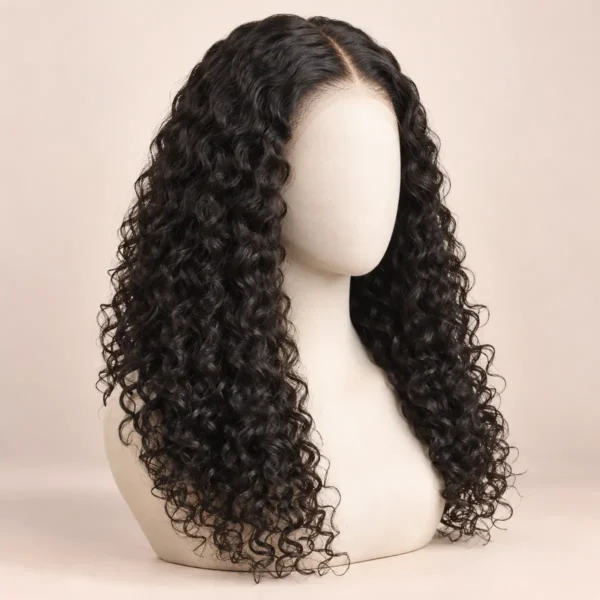
That distinction matters because glueless demand is expanding at the same time that consumers expect easier application, natural-looking results and better fit. Grand View Research’s 2026 market analysis specifically identifies glueless and wear-and-go formats, realistic constructions and simplified application among the directions manufacturers are using to respond to changing consumer expectations.
The opportunity for brands is therefore larger than adding one glueless SKU. Glueless can become a product platform: a structured family of products built around simpler wear but differentiated by customer, appearance, price position and specification.
The Consumer Problem: Installation Friction
Traditional lace-wig preparation can involve several steps before the desired finished look is achieved. Different consumers have different skill levels, time constraints and tolerance for adhesive or repeated preparation. A product direction that reduces those steps can therefore create a clearer value proposition.
But reducing installation friction does not mean eliminating product engineering. In many cases it increases the importance of fit, adjustment and the relationship between the hairline and the cap because the product cannot rely on adhesive to compensate for every variation.
Buyer question: Which steps are we actually trying to remove or simplify for the target customer?
Glueless Changes More Than the Attachment Method
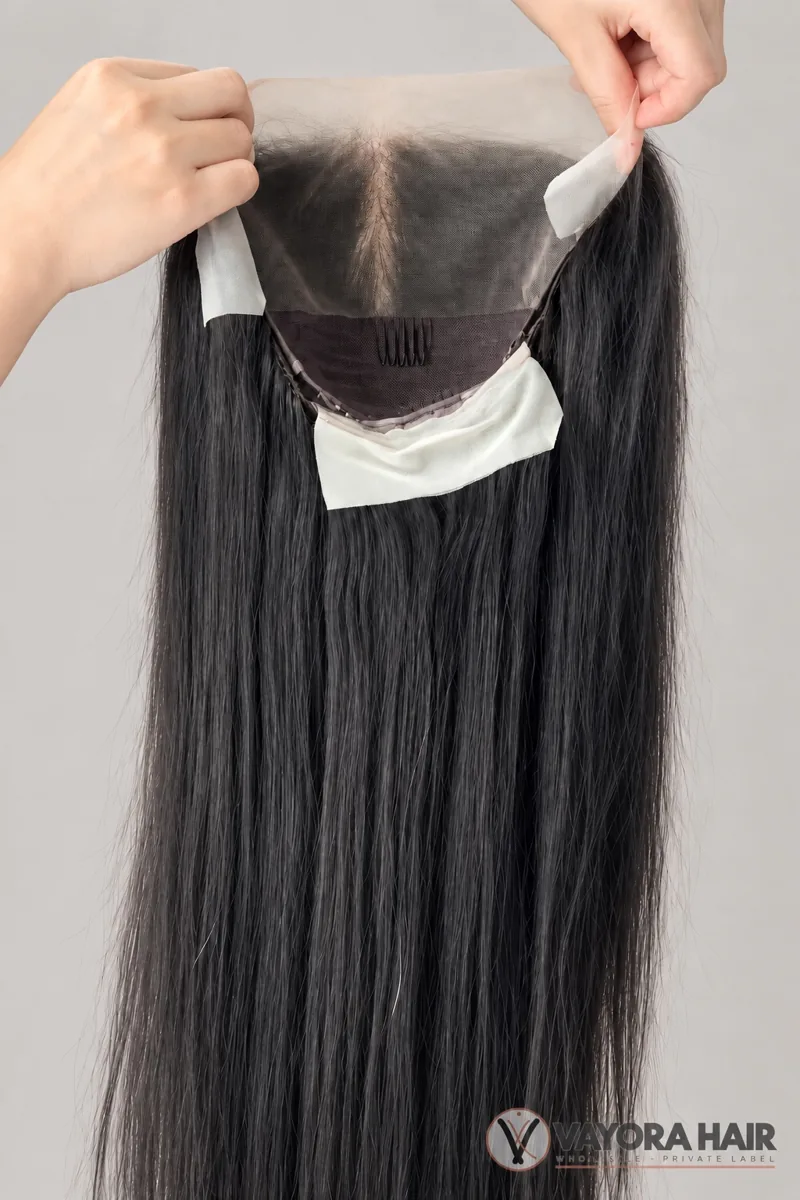
A glueless brief should define the whole wearing system. Lace coverage affects the styling area and hairline presentation. Cap structure affects fit. Elastic, combs, drawstrings or other adjustment components affect security.
Finished weight affects how the product feels. Hairline and knot finishing affect whether the simplified installation still produces the intended appearance.
This is why two products sold under the same “glueless” label can deliver very different experiences.
Buyer question: What construction combination creates the intended balance of simplicity, security and natural appearance?
Define and approve on the development sample
Define and approve on the development sample
Define and approve on the development sample
Define and approve on the development sample
Define and approve on the development sample
Define and approve on the development sample
Cap Fit Becomes More Important
When a brand markets easier wear, poor fit becomes more visible as a product problem. A cap that is too loose, too tight or difficult to adjust can undermine the entire value proposition even when the hair and lace are good.
For development, buyers should define the intended cap size or size strategy, adjustment range, attachment components and any construction details that affect how the wig sits around the hairline, crown and nape.
Fit should be reviewed on the physical sample rather than assumed from a generic cap-size label.
Pre-Cut, Pre-Plucked and Pre-Bleached Need Separate Specifications
“Pre-everything” is useful marketing shorthand, but it is not a manufacturing specification.
Pre-cut should define the area being cut and the approved finished edge. Pre-plucked should define the intended hairline appearance and density direction. Pre-bleached should define the target knot appearance and acceptable processing result. Each feature changes the product in a different way and should be approved separately.
Buyer question: What does each “pre-” feature look like on the approved physical sample?
The Opportunity for Private Label Brands
A glueless platform gives a brand room to build a range around customer roles rather than one construction repeated across many lengths.
- Everyday convenience: simplified wear and a controlled core specification.
- Premium natural: greater emphasis on lace, hairline, parting and visual realism.
- Texture-led: construction combined with a texture identity and intended blending result.
- Short/easy: a lower-maintenance silhouette for frequent wear.
- Color/visual: a controlled accent SKU for channels where visual novelty matters.
These are assortment roles, not claims about universal demand. A buyer should decide which roles match its channel and customer before expanding the range.
Easy-wear hero
Natural-looking upgrade
Defined texture identity
Lighter everyday direction
Controlled accent test
How to Build a Focused Glueless Range
Start with one hero product and a small number of differentiated supporting roles. Avoid creating a large matrix of lengths, colors and densities before the construction itself has been approved.
For each SKU, record: target customer; intended wearing experience; lace; hairline; cap; security method; texture; color; length; finished weight/fullness; pre-cut/pre-plucked/pre-bleached requirements; packaging; and the sample used as the approved reference.
Then evaluate the range as a collection. If two SKUs solve the same customer problem at the same price position, one may be unnecessary.
Turn those roles into an illustrative five-SKU collection framework before expanding the specification matrix.
Build Glueless Around the Experience, Not the Label
Define the customer, construction and approved result before expanding lengths and colors.
Sources & Editorial Context
Market evidence checked on 15 October 2026. Market figures cover wigs and extensions together; global and North American figures are context, not a U.S. wig-only market estimate. Product implications are VAYORA editorial interpretation, not sales forecasts.