
01
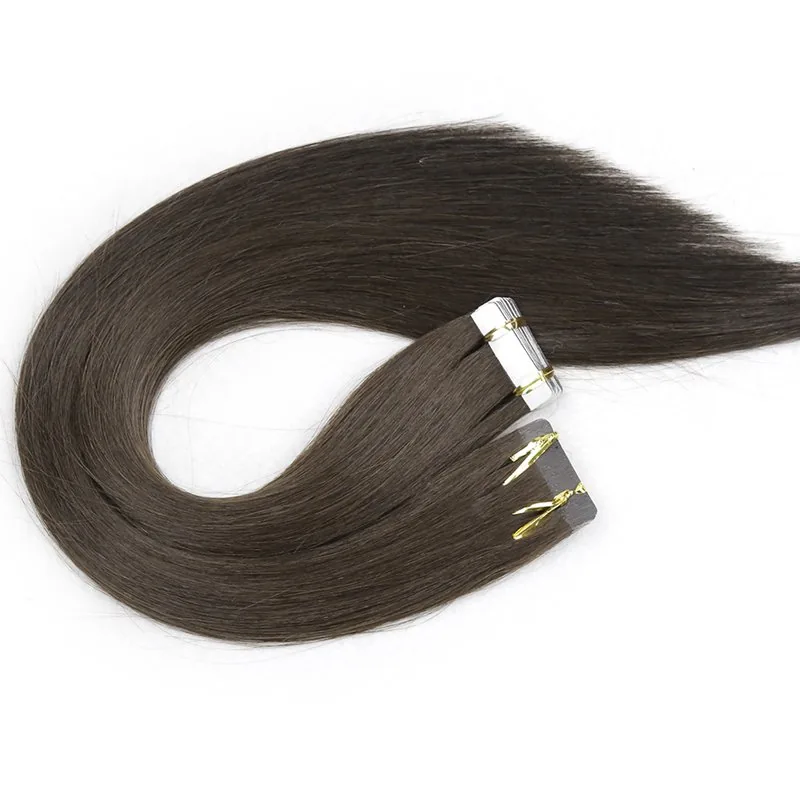
Standard Tape Hair
A conventional tape-in direction for salon extension programs. Confirm tape dimensions, piece weight, length, shade assortment and replacement-tape requirements.
Develop tape-in extension collections around confirmed piece weight, pack weight, attachment format, shade direction and branded packaging. VAYORA supports samples, specification review and bulk production planning for salons, brands and distributors.
Select the closest attachment direction first. Final weight, length, texture, shades, quantities and packaging are confirmed in the written product specification.
A conventional tape-in direction for salon extension programs. Confirm tape dimensions, piece weight, length, shade assortment and replacement-tape requirements.
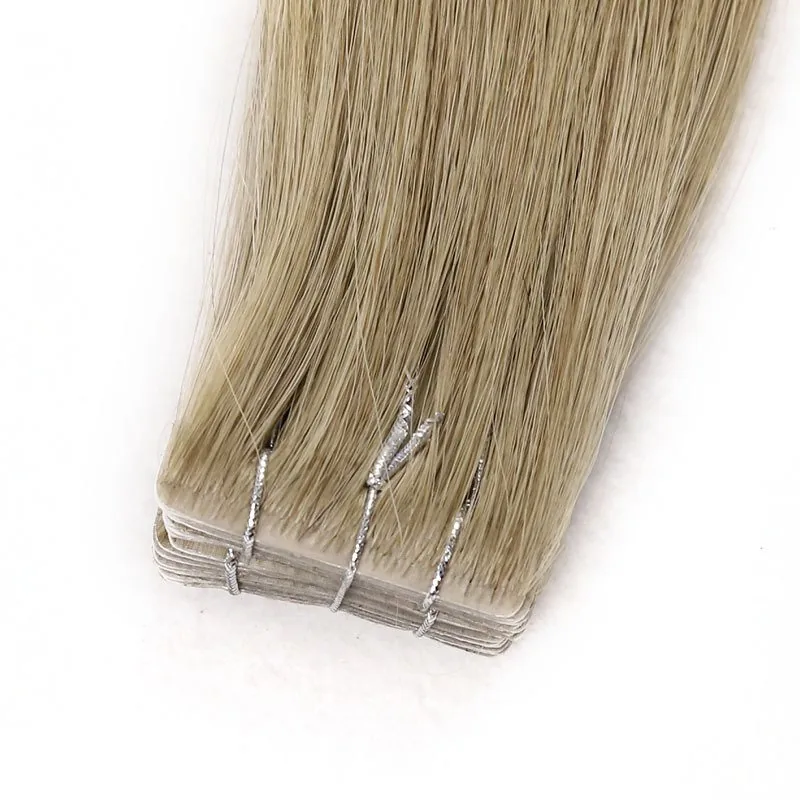
A hand-tied tape direction for buyers comparing base construction and finished attachment appearance. Samples should be reviewed against the intended service method.
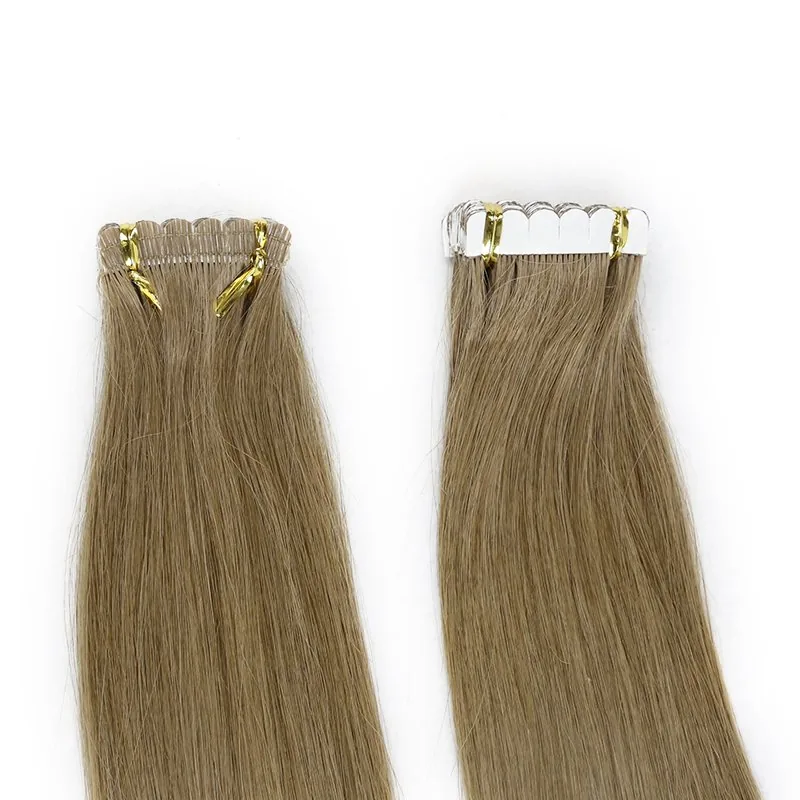
A smaller tape format for targeted placement and assortment planning. Confirm the required base dimensions and weight before quotation.
These figures come from the current VAYORA extension specification sheet. Any change should be written into the approved sample and bulk order specification.
View All Hair Extensions →Tape-in projects should be reviewed as a complete specification rather than by hair length alone.
Standard, hand-tied or mini tape direction.
Piece weight, length, texture, colors and quantities.
Check hair appearance, attachment construction and measurements.
Confirm the product brief, packaging and delivery requirements.
Private label planning begins after the product construction and quantities are clear.
Plan reference samples and commercial quantities before bulk production.
Plan samples →Coordinate labels, bags, boxes and inserts for the confirmed product.
Explore packaging →Review construction, measurement, appearance and final packing requirements.
View quality control →The currently published reference is 2.5g per piece, 20 pieces per pack and 50g per pack. Optional 2g and 3g piece weights are subject to confirmation.
Review the tape base and dimensions, hair weight, shedding, wash response, bond stability under the agreed test method, residue after removal where applicable, shade and pack configuration.
They can be reviewed as part of the project. Any change should be recorded in the approved sample and written bulk specification.
If the brand or salon intends to support maintenance or reapplication, discuss replacement-tape compatibility and packaging during product planning.
Send a focused product brief so the correct tape format and specification can be reviewed.
| Approval field | Sample check | Record for bulk |
|---|---|---|
| Base and dimensions | Tape width, tab length, thickness and adhesive coverage | Measured reference, agreed tolerance and base format |
| Adhesive and service method | Peel, attachment stability and removal residue under agreed conditions | Adhesive reference, method, exposure time and acceptance criteria |
| Hair and pack | Piece weight, shedding, wash response, strand distribution and pack count | Approved sample ID, weight and 20-piece / 50g reference or confirmed custom pack |
| Shade and reorders | Physical color-ring comparison, roots and transitions on actual tape pieces | Shade code, master sample, SKU sheet, batch and packaging version |
Agree on peel and bond checks, wash exposure and removal conditions before testing. Record base stability, shedding, measured weight and residue observations with dated photos and the sample ID. Release bulk production only after the buyer approves the results and written specification; test results apply to the recorded conditions.
If the collection supports maintenance or reapplication, review compatible replacement tape, tab dimensions, replacement quantities, labeling and the intended removal and care method. Confirm compatibility on the approved construction rather than assuming one replacement tape fits every format.
Use the color-ring and shade approval guide and tape-in quality guide to prepare the sample review. Retain the approved hair shade, adhesive/base reference and pack artwork for each repeat-order batch.
Vayora manufactures tape-in human hair extensions for brands and salon suppliers that need documented adhesive review, clean tape construction, physical shade references and approved repeat-order specifications.
Confirm standard, smaller or seamless-style tape requirements with dimensions and a sample. Attachment format, tape coverage and finished appearance should be approved together.
Record processing history, nominal hair length, piece weight and pack count. Compare fullness and distribution on the selected strands rather than relying on a grade name alone.
Review the proposed adhesive with the intended service and care method. Agree on handling, attachment and removal checks; record residue observations during sampling.
Use physical shade references for natural tones, blondes and multi-tone effects. Approve the color and hair condition on the actual tape construction.
Define the pack card, pouch or box and identify each SKU by shade, length and count. Confirm artwork and packing allocation before bulk production.
Check tape alignment, adhesive coverage, bond strength, removal residue, hair shedding and pack weight against the golden sample. Record the test method and acceptance criteria before production. For repeat orders, compare the current shade and weight with the retained reference and approved SKU sheet.
Write tape width, tab size, adhesive area and base thickness into the specification. Review adhesive behavior using the planned installation, maintenance and removal methods; record test conditions and residue observations. A sample approval does not establish a universal wear-time claim.
Build blonde, highlight and rooted shade assortments around physical samples. Confirm root length, transition and tone on actual tape pieces, then assign a shade code shared with other extension systems. Reorder approval includes color, piece weight, pack count and the card, pouch or box version.
Include the tape format and dimensions, hair specification, piece and pack weight, length, texture, reference shades, quantity by SKU, replacement-tape needs, packaging and delivery country. Sampling, quotation and timing are confirmed after reviewing the requirements.
For an invisible or seamless-style tape-in brief, identify the selected base construction and hair coverage over the attachment. The name alone does not confirm an injected base, a particular material or adhesive, or the same finished appearance across formats. Compare front, reverse and side views of the actual sample before approving the format.
| Brief field | Define for the selected SKU | Approval record |
|---|---|---|
| Base and installation | Base dimensions, hair coverage, paired-piece arrangement, placement and replacement-tape requirements | Sample ID, measured tab, front/reverse photos and professional installation/removal instructions |
| Hair length and texture | Requested finished length, measurement method and texture condition | Measured sample and agreed tolerance; confirm feasible combinations before quotation |
| Piece and pack weight | Current standard reference: 2.5g per piece × 20 pieces = 50g per pack; approve any custom format separately | Piece count, net hair weight basis and finished selling-unit specification |
| Color and assortment | Reference shade code, master-ring version, root depth and transition where requested | Approve shade on actual tape pieces; codes are references, not universal color standards |
| OEM packaging | Length/shade/count on cards, pouches or boxes; care insert and SKU identification | Approved artwork revision and pack allocation tied to the accepted sample |
Prepare the finished-pack specification and private label extension brief together. Submit the requested SKU matrix for feasibility review before approving production quantities.
No. Confirm the actual base material, hair attachment, dimensions and coverage on the selected sample. An appearance term alone does not approve the construction.
No. A sourcing unit and a finished selling pack are separate specifications. The current standard reference remains 20 pieces at 2.5g each, totaling 50g. Confirm any other count or weight in the approved SKU record.
Connect the tape-in specification with sample review, packaging and manufacturing handoffs. Review brief-to-production service workflow when preparing the next project decision.
After choosing the tape format, define measurement methods and tab dimension control. Confirm piece count and pack structure before final inspection and release.
Use this comparison to prepare a sourcing brief. Variant names alone do not confirm the base construction or current availability. Long-strip and injected invisible configurations require a feasibility review and an approved physical sample before quotation or bulk approval.
| Requested format | Construction to confirm | Sample approval record |
|---|---|---|
| Regular Tape-In | Tab width and height, hair distribution, adhesive area and single- or double-sided application plan. | Piece weight, pack count, tab dimensions, shade and the intended professional installation/removal method. |
| Long-Strip Tape Weft | Continuous strip dimensions, adhesive coverage and whether/how the approved strip may be divided. | Strip length, edge finish, cutting limitations and resulting piece count. Do not assume standard tab specifications apply. |
| Injected Invisible Tape-In | Actual injected base construction, visible hair coverage, base thickness and attachment geometry. | Front/back close-up photos, measurements, the approved adhesive reference and agreed retention, washing and residue checks. |
Specify the format, requested length and measurement method, texture, reference shade, piece weight, pack count, quantity by SKU, replacement tape requirements, packaging and destination. Obtain written confirmation of feasible specifications, sample terms and order terms for the selected construction.
Shade numbers are reference codes, not a universal color standard. Use physical color matching and batch approval, the Tape-In quality checklist and pack configuration guide together.
No. Record strip dimensions, adhesive area, hair distribution and any permitted division method separately. Approve the actual strip sample before treating it as an interchangeable pack format.
No. Confirm the construction on the actual sample and agree on the professional application, wash and removal conditions. A catalog name or photo is not a test result.