
Custom Shade Development · B2B Extension Programs
Develop a Shade System Across Your Extension Collection
VAYORA supports hair extension color matching and physical color ring development for salon brands, distributors and private label buyers. Coordinate natural, blonde and multi-tone references across Tape-In, Weft and Tip products, with approved samples for bulk manufacturing and reorders.
Request Color Development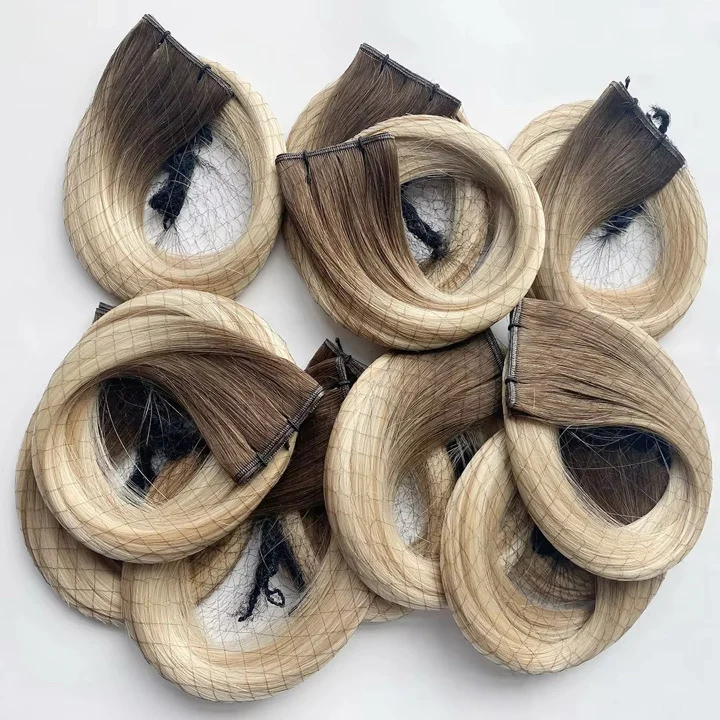
Choose the Shade Families for Your Market
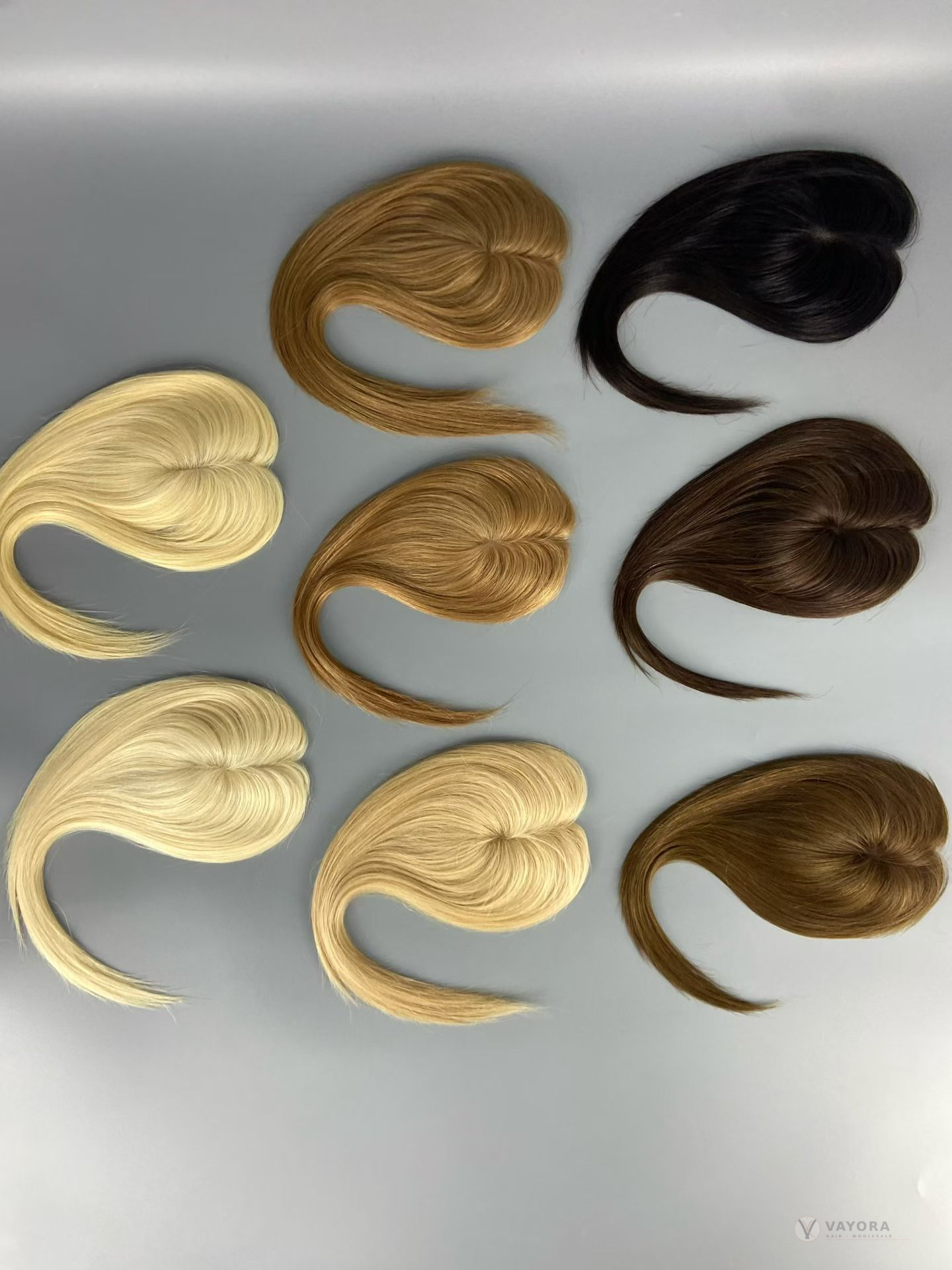
Natural Black & Brown
Define depth and warm, cool or neutral tone using a physical swatch. Common codes such as #2 or #4 are reference names, not universal shade standards. Approve the actual color before assigning your collection code.
Blonde Systems
Develop warm, beige, cool and pale blonde directions from the target sample. References such as #27, #60 and #613 can vary between suppliers. Review tone, brassiness, elasticity, dryness and end condition together after processing.
Highlight & Piano
Specify base and accent tones, blend ratio, contrast and distribution. Piano-style effects require clear placement notes so the intended tonal pattern is checked on each actual construction.
Ombre & Balayage
Record base tone, transition position and softness, highlight placement and the root-to-end direction. A physical sample and placement map add information that a shade name or screen image cannot provide.
Rooted Shades
Approve root depth and tone, the transition height and the lighter length. Review whether the same placement works on tape pieces, individual tips and wider weft sections.
Multi-Tone Programs
Map every component tone and its distribution. Keep the accepted product sample, photos and placement notes alongside the master color code for repeat production.
Your Color Development Process
- Reference Sample or Target: provide a physical ring or hair swatch, target shade family and proposed extension systems. Photos support initial discussion.
- Shade Mapping: identify solid tones, blends, root depths and placement requirements; map them to the starting assortment.
- Sample Development: prepare development references on the selected hair and construction; review color together with hair condition.
- Side-by-Side Approval: compare target and development samples under consistent neutral lighting, in an agreed dry or styled condition. Record revisions and acceptable visual variation.
- Color Ring Confirmation: approve the physical master swatches, codes, shade descriptions and version date. Keep retained reference sets.
- SKU Coding: connect shade code, construction, length, texture, weight and packing in the SKU matrix.
- Bulk Production Reference: retain the approved ring, actual product samples and written acceptance standard for manufacturing and reorders.
The approved physical ring starts the comparison; it does not replace approval of the finished extension product.
Plan color samples and commercial quantities →Approve Color Across Tape-In, Weft & Tip
Hair distribution, texture, attachment construction and processing can affect the appearance of one nominal shade. We coordinate cross-system matching by comparing actual finished samples against the same physical master.
| Construction | Color approval details |
|---|---|
| Tape-In | Check tone across the piece, root placement near the tab, highlight ratio and the finished hair distribution. |
| Machine, Hand-Tied & Genius Weft | Check shade and blend distribution across the full track, root-to-end transition and texture appearance. |
| I-Tip, U-Tip & Flat-Tip | Check tone, root depth and blend on individual strands, including attachment color where specified. |
Confirm the accepted match range before bulk approval. A shared shade code alone does not guarantee an identical visual result across systems.
Blonde Batch Variation & Repeat-Order Control
Natural hair is variable, and blonde processing affects both shade and condition. Compare each production direction with the retained master and actual approved product sample. Review tone, warmth, end dryness and texture together using the same viewing method.
Record shade codes, reference photos, ring versions, placement maps and approved deviations. Replace or revise a master swatch only through documented approval; use the current accepted version for the next order. Controlled consistency within an agreed range is a more useful standard than an unverified promise of zero variation.
Connect your color program to private label SKU planning and OEM & ODM manufacturing so labels, sample references and bulk specifications use the same codes.
Master ring version control
A color ring should be controlled like a manufacturing specification. Every approved shade needs a master ID, issue date, revision, originating swatch ID, product application, reference photographs and authorized approval. Store retained masters away from sunlight, contaminants and handling conditions likely to alter the swatches.
If a tone changes, issue a new revision and notify every affected SKU. Retain the superseded master for traceability; do not silently replace it or assume tape-in approval also authorizes a tip or wig construction.
Cross-system and repeated-order shade review
For Tape-In, compare several pieces side by side. For Machine Weft and Genius Weft, inspect distribution across the track. For I-Tip, U-Tip and Flat-Tip, compare representative strand bundles and attachment-area presentation. Include the finished wig when a shared brand shade spans wigs and extensions. Approve each relevant texture, length and construction.
Bulk shade acceptance and deviations
Agree the sampling plan, comparison criteria and decision authority before production. This workflow is a buyer template, not a claim of completed VAYORA tests or a fixed numerical tolerance.
| Check | Required record and decision basis |
|---|---|
| Master control | Current buyer-approved physical master ID and revision. |
| SKU traceability | Factory lot, SKU, reference/brand codes, texture, length and construction. |
| Viewing conditions | Agreed lighting, distance, dry/clean/styled condition and reviewer. |
| Shade and placement | Root/body/end tones, undertone, blend ratio and transition against the master and placement map. |
| Hair condition | Project-defined blonde condition, wash or handling review only where agreed; record actual method and result. |
| Packaging identification | Shade label, barcode, SKU and artwork version. |
| Deviation decision | Isolate affected pieces; retain photos and samples; hold, rework, reject or accept with an authorized written waiver. |
Log affected quantity, source lot, detection, containment, comparison with the master, evidence for the cause, corrective action, retest outcome, approvers and closure date. A phone image should not override a physical inspection outside the buyer-approved criteria.
Use the 24 trade shade reference matrix to scope the assortment and the extension quality inspection checkpoints for related checks. Detailed batch guidance remains on the existing batch consistency guide.
Color Development FAQ
Can you match our salon color ring?
Provide the physical ring and identify the required shades and effects. Development samples are compared side by side under consistent lighting, then approved on each selected extension system.
Can you match a shade from a photo?
A photo supports the initial brief, but lighting and screen differences limit exact matching. A physical swatch or approved product sample is the reference for production.
Can Tape-In, Weft and Tip share a shade code?
Yes. Approve the actual shade on every construction and keep the accepted samples with the master ring and SKU matrix. A shared code requires a checked physical match.
How are rooted and balayage shades standardized?
Record root tone, depth, transition height, blend ratio and placement with a physical sample and clear photos. Keep the approved placement map with the shade code.
How do you manage blonde batch variation?
Compare tone and hair condition against retained references using a consistent review method. Document accepted variation and any revision before manufacturing the repeat order.
Commercial Systems & Buyer Knowledge
Develop Your Extension Color System
Send your physical shade references, extension systems, lengths, textures, weight or strand-count plan, starting assortment and packaging requirements. We will review sample development, quantities and project timing.
Request a QuoteControl the Approved Shade in Later Batches
Once the color ring and construction samples are approved, use physical-master batch comparisons and documented shade revisions to manage subsequent orders.
Colour Approval Workflow and Evidence
The custom-colour approval workflow example explains how a physical target, sample revisions and SKU identity can be connected. It is illustrative, not a verified customer colour project or testing result.
Browse project briefs and evidence levels. For a real colour programme, request the project-linked target, sample and approval records before treating a comparison as bulk-production proof.
36 Extension Shade Codes: A Reference Register for Sample Approval
| Reference 01–12 | Reference 13–24 | Reference 25–36 |
|---|---|---|
| 1. #1 | 13. #14 | 25. #33 |
| 2. #1B | 14. #16 | 26. #35 |
| 3. #2 | 15. #18 | 27. #99J |
| 4. #2A | 16. #20 | 28. #Red |
| 5. #3 | 17. #22 | 29. #DS |
| 6. #4 | 18. #24 | 30. #HS |
| 7. #5 | 19. #27 | 31. #P613/4 |
| 8. #6 | 20. #613 | 32. #P2A/60 |
| 9. #8 | 21. #60 | 33. #P18/22 |
| 10. #10 | 22. #350 | 34. #P2/10 |
| 11. #11 | 23. #30 | 35. #T2/4 |
| 12. #12 | 24. #31 | 36. #T18/60 |
The provisional grouping distinguishes standalone codes from P-coded multi-tone references and T-coded two-tone/mixed references. Do not infer a blend ratio, root length, color placement or exact visual shade from the code. #DS, #HS and similar labels require the originating physical swatch and description.
Issue a Buyer-Approved Cross-Reference
- Record the originating ring/swatch ID, catalog code and reference version; assign a separate buyer brand code.
- Request feasibility confirmation and a physical master for the selected hair and processing direction.
- Approve actual tape pieces, weft tracks, tips or removable sets against that master under agreed conditions.
- Link approved product sample IDs, SKU versions, placement notes and packing artwork. Hold unapproved substitutions for review.
Do the 36 codes replace the existing 24-reference color chart?
No. They are separate reference lists. Map selected codes through physical swatches and approved finished samples rather than equating matching numbers.
Can a P or T code approve a blend or rooted effect by itself?
No. Record the component shades, distribution, blend ratio where applicable, transition and root depth on the actual approved product.
Use the 24 trade-reference chart, batch shade controls and private label approval packet together.
Request a Quote